How to Humidify a Room Naturally: Simple Tips for Healthy Air
Humidifying a room naturally is easier than many people think. Dry air can cause problems like dry skin, sore throat, and even static electricity. You don’t always need a machine to fix this. I’ve tried many simple ways to add moisture to my home, and I’ll share what works best.
This guide will help you understand why humidity matters, how to measure it, and the safest, most effective ways to raise it without buying a humidifier. You’ll also see some common mistakes and learn how to avoid them. Whether you live in a dry climate or just want to feel more comfortable, these tips will make your air better.
Why Room Humidity Matters
Air that is too dry can make your home feel cold and uncomfortable. The ideal indoor humidity is 30% to 50%. If it drops below 30%, you may notice issues such as:
- Dry skin and lips
- Irritated sinuses
- Itchy eyes
- Cracked wooden furniture or floors
- More static electricity
- Plants drying out
If humidity gets too high (above 60%), you can get mold or dust mites. Keeping the right balance is important for health, comfort, and your home’s condition.
How To Measure Humidity
Before you start adding moisture, you need to know your room’s humidity level. The easiest way is with a hygrometer. This is a small device that shows the percentage of moisture in the air. Many models cost less than $10 and are easy to use. Place it in the middle of the room, away from windows or vents.
Here’s a quick comparison of common ways to measure humidity:
| Method | Accuracy | Cost | Ease of Use |
|---|---|---|---|
| Hygrometer | High | Low | Very Easy |
| Weather App | Medium | Free | Easy |
| Manual Signs (skin, plants) | Low | Free | Easy |
I use a digital hygrometer in my living room. It helps me know when I need to humidify, and I’ve noticed my plants grow better when I keep humidity above 40%.
:max_bytes(150000):strip_icc()/diy-dehumidifier-5104638-8b877043001b45c8a1d19c450480e8e8.jpg)
Credit: www.thespruce.com
Natural Ways To Humidify A Room
There are many safe, simple methods to add moisture to indoor air. You don’t need expensive machines. Here’s what works best:
1. Place Bowls Of Water Near Heat Sources
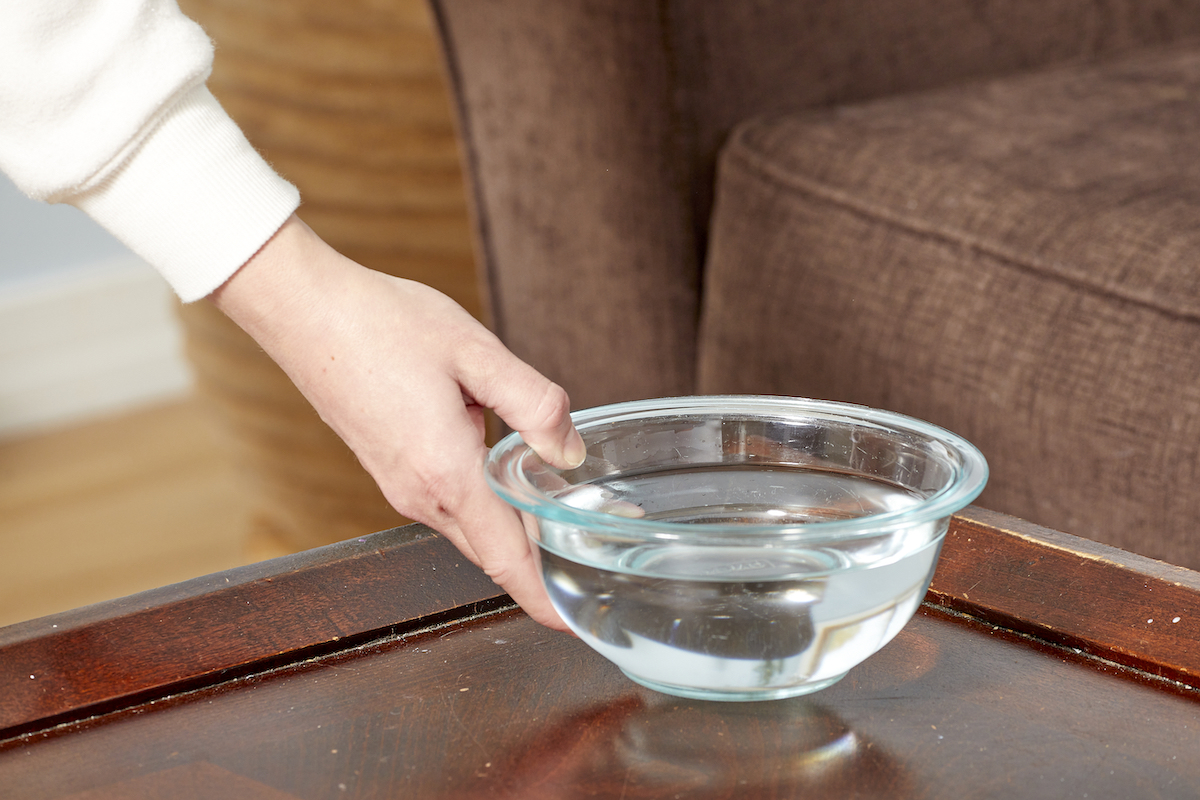
Heat makes water evaporate faster. Put shallow bowls of water near radiators, heating vents, or sunny windows. The water slowly turns into vapor and spreads in the air.
When I tried this in winter, I saw humidity rise by 5% in one day. Just remember to refill the bowls as water disappears.
2. Hang Wet Laundry Indoors
Instead of using a dryer, hang damp clothes or towels on a rack inside your room. As they dry, they release moisture. This method is very effective, especially for small rooms.
One winter, I dried my shirts on a rack in my bedroom. It helped with dry throat and made the room feel warmer.
3. Use Houseplants
Plants add moisture through a process called transpiration. When they “breathe,” they release water vapor. Some plants are better for this than others.
These houseplants work well:
- Spider plant
- Boston fern
- Peace lily
- Areca palm
If you keep several plants together, they make a noticeable difference. I noticed my living room felt less dry after adding three spider plants.
4. Leave The Bathroom Door Open After A Shower
Hot showers create lots of steam. If you leave the door open when you finish, the steam will spread into nearby rooms. This is a quick way to boost humidity.
I often do this after showering, especially when the air feels dry. It helps more than you might expect.
5. Cook Without Lids
When you boil water or make soup, leave the lid off the pot. Steam escapes and humidifies your kitchen and nearby rooms. Try simmering water for a few minutes if you need a quick boost.
Cooking pasta or rice without a lid raised my kitchen’s humidity from 35% to 45% in less than an hour.
6. Fill A Spray Bottle With Water
Mist the air lightly with a spray bottle. Spray near windows, curtains, or plants. Be careful not to spray too much—just a few pumps at a time.
I use this method to help my plants and cool down the room in summer. It’s simple, cheap, and works fast.
7. Use A Wet Sponge Or Towel
Place a wet sponge or towel in front of a fan or heater. The air flow helps water evaporate. You can also hang a damp towel over a radiator.
This method is good for small spaces. I used it in my office when the air felt dry from the heater.
8. Open Windows When It’s Humid Outside
Sometimes outdoor air has more moisture than indoor air. Open windows for a short time to let humid air in. Check the weather first—if it’s dry outside, this won’t help.
I check the weather app before opening windows. On rainy days, indoor humidity rises quickly.
9. Use Water Features
Small water fountains or aquariums add moisture. As water moves and evaporates, it humidifies the air.
I have a desktop fountain in my living room. It’s relaxing and helps keep humidity above 40%.
10. Keep Doors Closed
If you’re humidifying one room, close the door. This traps moisture and stops it from escaping. The effect is stronger in smaller rooms.
I noticed this when drying laundry. The humidity rose faster with the door shut.
Choosing The Best Method For Your Room
Not every method works for every home. Consider these factors:
- Room size: Large rooms need more moisture.
- Heat sources: Radiators and heaters help water evaporate.
- Ventilation: Open windows can help or hurt, depending on outdoor humidity.
- Lifestyle: If you cook often or have plants, you already add some humidity.
Here’s a simple table to help you pick the best method:
| Method | Best for | Speed | Effort |
|---|---|---|---|
| Bowls of Water | Small to medium rooms | Medium | Low |
| Wet Laundry | Any size | Fast | Medium |
| Houseplants | Living rooms, bedrooms | Slow | Low |
| Bathroom Steam | Near bathroom | Fast | Low |
| Cooking | Kitchens | Fast | Medium |
Try combining two or three methods. For example, hang laundry and add plants. You’ll see results faster.
Practical Tips For Safe Humidification
Adding moisture is simple, but you need to do it safely. Here are a few expert tips:
- Always use clean water in bowls and spray bottles. Dirty water can cause odors or mold.
- Don’t let water sit for days. Change it every 1–2 days to stop bacteria growth.
- Watch out for slippery floors if you mist the air.
- If you use plants, wipe leaves once a week. Dust blocks transpiration.
- If humidity goes above 50%, open a window or use a fan. Too much moisture can lead to mold.
Over the years, I learned that forgetting to change water bowls can cause a musty smell. Cleanliness matters.
Common Mistakes To Avoid
Many people make simple mistakes when trying to humidify a room. Avoid these to get the best results:
- Using dirty water — Always use fresh, clean water.
- Letting humidity go too high — Over 60% causes mold.
- Forgetting to measure — Use a hygrometer to check levels.
- Placing water near electronics — Water can damage devices.
- Using too much mist — Wet surfaces can grow bacteria.
I once left a wet towel next to my computer. It caused condensation and almost ruined my keyboard. Keep water away from electronics.
How Humidity Affects Health And Comfort
Proper indoor humidity helps your body in many ways. Dry air can cause:
- Dehydrated skin
- Sore throat
- Nosebleeds
- Trouble sleeping
Adding moisture helps you breathe easier and sleep better. It also protects wood furniture and musical instruments. Studies show that respiratory infections are more common in dry air. Good humidity cuts the risk of colds and flu.
I noticed fewer nosebleeds after keeping my bedroom humidity above 40%. My sleep improved, and my skin felt smoother.
How Humidity Impacts Your Home
Humidity isn’t just about comfort. It affects your home’s materials and energy use.
- Wooden floors and furniture: Dry air causes cracks and shrinkage.
- Paint and wallpaper: Can peel in low humidity.
- Static electricity: More common when air is dry.
- Energy bills: Moist air feels warmer, so you may use less heat.
Keeping humidity between 30% and 50% protects your home and can save money.

Credit: www.youtube.com
Comparing Natural Vs. Machine Humidification
Some people wonder if natural methods are as good as machines. Here’s a quick comparison:
| Feature | Natural Methods | Humidifiers |
|---|---|---|
| Cost | Very Low | Medium to High |
| Maintenance | Low | Medium |
| Risk of Mold | Low | Medium |
| Speed | Medium | Fast |
| Control | Manual | Automatic |
Natural methods are safer and cheaper, but machines are faster and more precise. If your air is very dry, you may need both.
Expert Insights And Data
Research shows that indoor humidity is important for health. According to the Environmental Protection Agency (EPA), indoor humidity should stay between 30% and 50%. Low humidity can make viruses spread faster, while high humidity causes mold.
A study by the American Journal of Respiratory and Critical Care Medicine found that people in dry homes had more trouble with asthma and allergies. Adding moisture reduced symptoms in many cases.
For more scientific information, see the EPA Indoor Air Quality page.
Credit: www.bobvila.com
Frequently Asked Questions
How Can I Tell If My Room Needs More Humidity?
If you notice dry skin, itchy eyes, static shocks, or dying plants, your room is probably too dry. A hygrometer will show if humidity is below 30%. You can also look for signs like cracked wood or frequent nosebleeds.
Are Natural Methods Safe For Children And Pets?
Yes, most natural methods are safe. Just keep water bowls or wet towels out of reach. Plants can be toxic if eaten, so choose safe types. Always use clean water and avoid slippery floors.
Can I Humidify A Room Too Much?
Yes. If humidity goes above 60%, you risk mold and dust mites. Always check with a hygrometer. If you see condensation on windows or smell musty odors, lower humidity.
Which Plants Are Best For Adding Humidity?
Spider plants, Boston ferns, and peace lilies are good choices. They release lots of water vapor and are easy to care for. Grouping plants together makes them more effective.
Will Humidifying My Room Help With Allergies?
Yes, proper humidity can help with allergies. Moist air keeps nasal passages healthy and stops dust from floating. But too much humidity can cause mold, which makes allergies worse. Stay between 30% and 50%.
Adding moisture to your home’s air can make a big difference. From my own experience, these natural methods are easy, safe, and effective. Try a few and see what works best for you. Your skin, health, and home will thank you.