How to Clean a Warm Mist Humidifier: Easy Steps for Fresh Air
Keeping your warm mist humidifier clean is essential for your health and for the machine’s performance. A dirty humidifier can spread germs, mold, and minerals into your air. Many people do not realize how quickly this can happen. If you have ever noticed a strange smell from your humidifier, or seen white dust around it, that’s a sign cleaning is overdue. I know this from personal experience—years ago, I skipped regular cleaning for a few weeks. Suddenly, my humidifier started making odd noises, and I even developed a mild cough. Once I cleaned it properly, both the noise and my cough disappeared. This taught me how important it is to clean your warm mist humidifier the right way and on time.
In this guide, I’ll walk you through everything you need to know about cleaning a warm mist humidifier. You will learn the steps, the best cleaning materials, how often to clean, and a few mistakes to avoid. Along the way, I will share some tips I’ve learned from using different humidifiers in my own home.
With clear, simple instructions, you’ll be able to keep your air clean and your humidifier running smoothly.
Why Clean Your Warm Mist Humidifier?
Warm mist humidifiers boil water to produce steam, which is then cooled slightly before it enters your room. This process kills many germs, but it does not stop minerals and bacteria from building up inside the device. Over time, these can cause:
- White dust on your furniture, caused by minerals in the water.
- Foul odors coming from the humidifier.
- Clogged parts that reduce efficiency.
- Mold and bacteria growth inside the tank and base.
- Health problems, especially for children and people with allergies.
When you use a humidifier every day, these issues can develop in just a few days. Cleaning regularly is not just about looks or smell—it’s about your health and the lifespan of your machine.
How Often Should You Clean Your Warm Mist Humidifier?
The best schedule for cleaning depends on how often you use your humidifier and the quality of your water. Here’s a simple rule:
- Daily: Empty the tank, rinse, and dry.
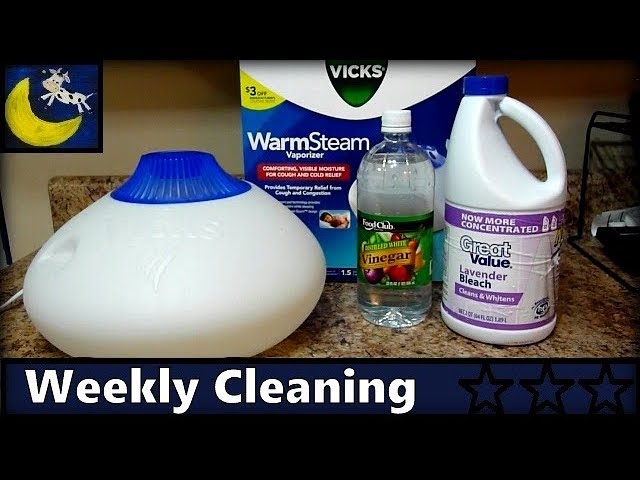
- Weekly: Deep clean with vinegar and, if needed, a disinfectant.
- Monthly: Check for hard mineral deposits and deep clean all parts.
If you use distilled water, you may notice fewer mineral deposits, but you still need to clean regularly to prevent bacteria and mold. When I used tap water, I saw hard white buildup after just a week. Switching to distilled water helped, but it did not remove the need for weekly cleaning.
What You Need Before You Start
Gathering the right materials before you begin will make the process smooth and quick. Here’s what you should have:
- White vinegar (for removing mineral buildup)
- Mild dish soap
- Hydrogen peroxide or bleach (for disinfecting, if needed)
- Soft brush or old toothbrush
- Clean, lint-free cloths
- Fresh water
- Small bottle brush (helpful for narrow parts)
- Rubber gloves (if you use bleach)
If you’re unsure about using bleach, hydrogen peroxide is a good alternative. Both are effective at killing germs, but you should never mix them.
Step-by-step: How To Clean Your Warm Mist Humidifier
Cleaning a warm mist humidifier is not hard if you follow the right steps. Here is a clear, simple method that works for most models. Always check your manual first, as some brands have special instructions.
1. Unplug And Disassemble
Start by unplugging your humidifier. Safety comes first. Remove the water tank, the steam unit, and any other removable parts. Set them on a clean towel.
2. Empty And Rinse The Tank
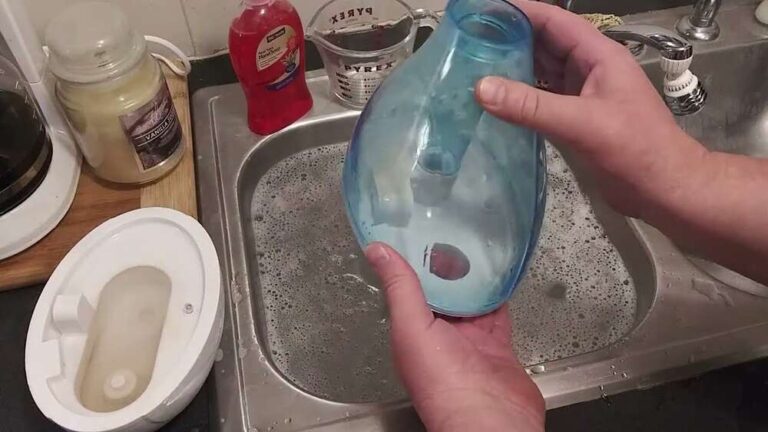
Pour out all the old water from the tank and the base. Rinse both with fresh water to remove loose dirt and minerals. This step is easy to skip, but it makes a big difference.
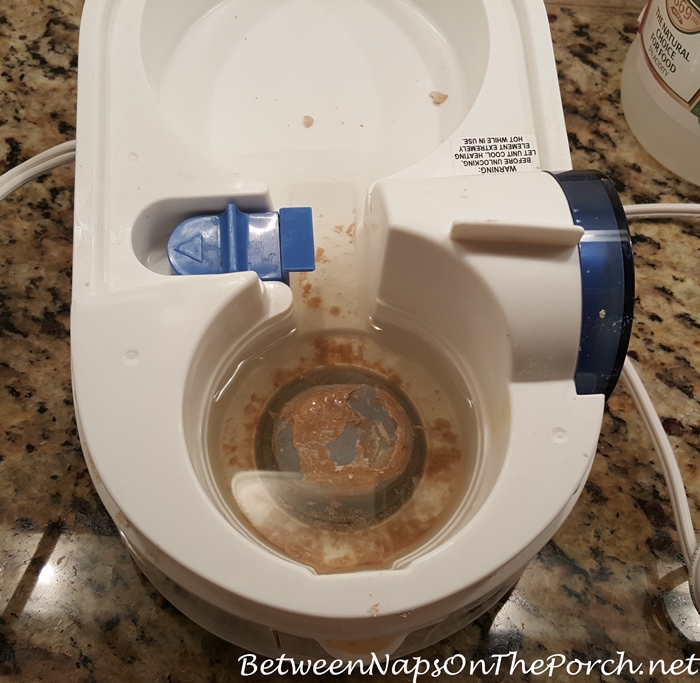
3. Remove Mineral Deposits
Fill the tank with a mix of one part white vinegar to one part water. Shake gently and let it sit for 15–20 minutes. The vinegar will loosen hard mineral deposits. For the base, add enough vinegar-water mix to cover any scale.
After soaking, use a soft brush or bottle brush to scrub away any buildup. Pay special attention to the heating element and any crevices. If your humidifier has a filter, check the manual—some are washable, others need replacing.
*Personal tip:* I found that using a baby bottle brush can reach into narrow tank corners where buildup hides. It’s a small tool that makes a big difference.
4. Clean The Heating Element
The heating element is where most scale forms. Gently scrub it with a brush dipped in vinegar. Avoid using anything too rough, as it may damage the metal.
If the buildup is thick, soak a cloth in vinegar and wrap it around the element for 20–30 minutes. Then wipe and rinse well.
5. Disinfect The Humidifier
After removing scale, it’s time to kill any germs. There are two safe options:
Option 1: Hydrogen Peroxide
- Fill the tank with a solution of 1 cup hydrogen peroxide per gallon of water.
- Let it sit for 20 minutes.
- Empty, rinse several times with fresh water.
Option 2: Bleach Solution
- Use 1 teaspoon of bleach in 1 gallon of water.
- Pour into the tank, swish, and let sit for 15–20 minutes.
- Carefully rinse the tank several times.
Never mix bleach with vinegar or hydrogen peroxide. Always rinse until the smell is gone.
6. Wash And Rinse All Parts
Wash the tank and any removable parts with mild dish soap and warm water. Rinse very well—soap residue can create foam or bad smells when the humidifier runs.
7. Dry Completely
Let all parts air dry completely before reassembling. This helps prevent mold. Place the parts on a clean, dry towel in a well-ventilated area.
8. Reassemble And Refill
Once dry, reassemble your humidifier. Fill with clean water and plug it back in. Your device is now ready to use.
Comparison: Cleaning Frequency And Water Type
Many people ask if using distilled water means you can clean less often. Here is a quick comparison:
| Water Type | Mineral Buildup | Cleaning Frequency | Cost |
|---|---|---|---|
| Tap Water | High | Weekly | Low |
| Distilled Water | Low | Weekly (still needed) | Medium |
| Bottled Water | Medium | Weekly | High |
Even with distilled water, weekly cleaning is best. Bacteria and mold can grow in any type of water.
Signs Your Humidifier Needs Cleaning
Sometimes, your humidifier will let you know it needs attention. Watch for these warning signs:
- Strange smells (musty, sour, or chemical)
- White dust on nearby furniture
- Visible slime or mold inside the tank
- Reduced steam output
- Loud or odd noises during use
If you notice any of these, clean your humidifier before using it again.

Credit: www.vickshumidifiers.com
Common Mistakes To Avoid
Even experienced users make mistakes when cleaning a humidifier. Here are a few I’ve seen and made myself:
- Using harsh cleaners: Strong chemicals or scrubbing pads can damage parts.
- Not rinsing enough: Leftover vinegar or bleach can cause bad smells or harm your lungs.
- Letting water sit: Water left in the tank breeds bacteria.
- Forgetting to clean the base: Mold often grows in the base, not just the tank.
- Ignoring the manual: Some models have special cleaning needs.
Avoid these, and your humidifier will last longer and work better.
Dealing With Hard Water And Stubborn Scale
If you live in an area with hard water, scale can build up quickly. Here are a few tips for stubborn deposits:
- Soak longer: Let vinegar sit for up to an hour.
- Repeat scrubbing: Sometimes, two rounds are needed.
- Use a descaler: Products made for kettles or coffee makers can also work, but check your manual before using them.
I once had a humidifier with thick, chalky deposits that would not budge. Soaking and scrubbing over two days finally cleared it out. After that, I switched to distilled water to make cleaning easier.
Credit: www.youtube.com
The Impact Of A Clean Humidifier
A clean humidifier does more than just look and smell better. It:
- Prevents illness: Clean steam is safe to breathe, especially for people with asthma or allergies.
- Lasts longer: Scale and mold can ruin the motor and heating element.
- Works better: Clean machines produce more steam with less noise.
- Lowers energy bills: Buildup makes the machine work harder.
According to the Centers for Disease Control and Prevention, keeping humidifiers clean is important for preventing mold and bacteria from entering your indoor air.
Comparing Warm Mist Vs. Cool Mist Humidifiers: Cleaning Needs
Many people wonder if cleaning a warm mist humidifier is harder than a cool mist one. Here’s a quick look:
| Type | Cleaning Frequency | Scale Buildup | Risk of Mold |
|---|---|---|---|
| Warm Mist | Weekly | High (heating element) | Medium |
| Cool Mist | Weekly | Low | High (standing water) |
Warm mist models need more attention for scale, while cool mist units need better mold control.
My Experience: Small Habits Make A Big Difference
I’ve used warm mist humidifiers for over five years, in both dry and damp climates. What I’ve learned is that small daily habits—like emptying the tank and letting it dry—are just as important as deep cleaning. When I started cleaning out the tank every night, the machine stayed fresher, and I didn’t have to scrub hard deposits nearly as often.
At first, I thought using only distilled water would solve all my problems. It helped with scale, but mold and bacteria still grew if I skipped cleaning. Keeping up with a simple routine is the best way to avoid problems.
Tips For Keeping Your Humidifier Clean Longer
Want to make cleaning easier? Here are some practical ideas:
- Use distilled water when possible.
- Empty and dry the tank daily, even if you don’t use all the water.
- Keep the area around the humidifier clean—dust and lint can get inside.
- Store the humidifier dry if you won’t use it for a few days.
- Clean before and after storage at the end of the season.
These habits will save you time and keep your air healthy.
What Happens If You Don’t Clean Your Humidifier?
Neglecting regular cleaning can cause:
- Allergy symptoms: Mold and bacteria can trigger coughing, sneezing, and sore throats.
- Damaged machine: Scale buildup can break the heating element or motor.
- Shorter lifespan: Most humidifiers last only 2–5 years if not cleaned well.
- Bad smells and poor air: A dirty humidifier can make your home smell bad and feel damp.
It’s much easier to clean a little often than to face a big mess later.
Troubleshooting: If Your Humidifier Still Smells Or Clogs
Sometimes, even after cleaning, a humidifier may smell or not work well. Here are a few things to check:
- Did you rinse enough? Leftover cleaner can cause smells.
- Is there hidden scale? Check hard-to-reach spots.
- Is the filter clean? Replace if needed.
- Are parts fully dry? Moisture left inside can cause mold.
If none of these solve the problem, it may be time to replace your humidifier, especially if it’s over three years old.
Credit: betweennapsontheporch.net
Essential Safety Tips
- Always unplug before cleaning.
- Do not immerse the base unless the manual says it’s safe.
- Never mix cleaning chemicals.
- Let all parts dry fully before reassembling.
Following these tips will protect both you and your humidifier.
Frequently Asked Questions
How Often Should I Clean My Warm Mist Humidifier?
You should do a quick rinse and dry every day, and a deeper clean with vinegar once a week. If you use it less often, clean it after every use.
Can I Use Tap Water In My Humidifier?
You can use tap water, but it may cause more mineral buildup. Distilled water is better for reducing scale and white dust.
What Is The Safest Way To Disinfect A Humidifier?
Both hydrogen peroxide and bleach solution are safe if used in the right amount and rinsed well. Never mix them, and always rinse until no smell remains.
My Humidifier Smells Bad Even After Cleaning—what Should I Do?
Try soaking all removable parts in vinegar, then rinse and let them dry fully. Check for hidden mold or scale. If smells remain, it may be time to replace the unit.
Can I Use Essential Oils In My Warm Mist Humidifier?
Most warm mist humidifiers are not designed for essential oils. Oils can damage parts and void your warranty. Only use oils if your model’s manual says it’s safe.
Keeping your warm mist humidifier clean is simple once you develop the right habits. With regular care, you’ll enjoy healthy, comfortable air and a machine that lasts for years. Remember, your health and comfort depend on the quality of the air you breathe—so don’t wait until problems appear. A few minutes of cleaning each week makes all the difference.