
How to Clean Pure Humidifier: Easy Steps for Fresh Air
Cleaning your Pure humidifier may look simple, but there are small details most people miss. A well-cleaned humidifier keeps your air fresh, prevents sickness, and helps your machine last longer. I’ve used many humidifiers over the years. At first, I thought quick rinsing was enough. But after seeing mold inside my unit, I learned the right steps matter. In this guide, I’ll share easy instructions, real experiences, and expert tips to help you clean your Pure humidifier like a pro. Whether you’re a new user or have owned one for years, you’ll find everything you need to keep your air pure and safe.
Why Cleaning Your Pure Humidifier Matters
Many people think humidifiers are “clean” because they only use water. But inside, minerals, bacteria, and mold can grow fast. When you use a dirty humidifier, you can spread germs and even cause breathing problems. The EPA warns that unclean humidifiers can release harmful particles into your home’s air. This can be risky, especially for children, the elderly, and anyone with allergies.
If you notice a white dust on furniture, a musty smell, or start coughing more, your humidifier might be the cause. Regular cleaning prevents these problems. Also, a clean humidifier lasts longer and works better. You save money and stay healthier.
Understanding Your Pure Humidifier
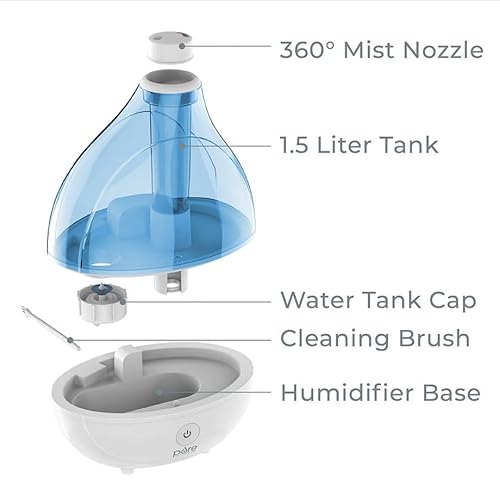
Before cleaning, it helps to know your humidifier’s parts. Most Pure humidifiers have:
- Water tank
- Base (with the motor and controls)
- Mist nozzle
- Filter (some models)
- Float or sensor
Some models add a demineralization cartridge or night light. Check your user manual for a diagram and details. If you lost the manual, you can find most on the Pure Enrichment website.
How Often Should You Clean?
- Daily: Empty and rinse the tank. Dry it before refilling.
- Weekly: Deep clean all parts. Remove any build-up.
- Monthly: Disinfect with vinegar or bleach solution.
If you use your humidifier daily or have hard water, clean more often. I once skipped a week, and mold started to grow inside the tank. It looked clean from the outside, but inside, it was not.

Credit: www.youtube.com
Supplies You Need
Gather these supplies before you start:
- White vinegar (for removing mineral build-up)
- Mild dish soap
- Bleach (optional, for monthly disinfecting)
- Small brush (an old toothbrush works)
- Soft cloth or sponge
- Water (preferably distilled for rinsing)
- Cotton swabs (for tight spots)
- Towel (for drying)
Never use harsh chemicals, as these can damage the humidifier or leave harmful residue.
Step-by-step: Daily Cleaning
Daily cleaning is fast and keeps your humidifier safe. Here’s what to do each day:
1. Turn Off And Unplug
Safety first. Always unplug before cleaning.
2. Empty The Tank
Pour out any leftover water. Stale water breeds bacteria.
3. Rinse The Tank
Fill with fresh water. Swirl it around and pour it out. Repeat until the tank is clean.
4. Dry The Tank
Wipe with a soft cloth. Leave the cap off so it can air dry.
5. Wipe The Base
Use a damp cloth to wipe the outside. Avoid getting water into the motor or controls.
Daily cleaning takes less than 5 minutes but prevents most problems.
Step-by-step: Weekly Deep Cleaning
Each week, do a deeper cleaning to remove build-up and germs. This process is simple if you follow these steps.
1. Disassemble The Humidifier
Take off the tank, nozzle, and any removable parts. Check your manual for guidance.
2. Soak In Vinegar Solution
Fill the tank with 1 cup of white vinegar and 1 cup of water. Let it sit for 30 minutes. For the base (if it touches water), add vinegar and let it soak too.
I used to skip soaking, but after trying it, I saw a big difference. The white crust (mineral scale) wiped off easily.
3. Scrub Away Buildup
Use a brush or toothbrush to scrub the tank and parts. Focus on corners and tight spots.
4. Rinse Well
Rinse every part with clean water. Make sure no vinegar smell remains.
5. Clean The Base
If your base does not touch water, just wipe it with a damp cloth. If it does, soak and scrub as above.
6. Dry Completely
Wipe with a towel and let all parts air dry before reassembling.
Comparing Cleaning Methods
Sometimes people wonder if vinegar, bleach, or commercial cleaners work best. Here’s a quick comparison:
| Method | Pros | Cons | Best For |
|---|---|---|---|
| Vinegar | Natural, cheap, removes scale | Strong smell, may not kill all germs | Weekly cleaning, mineral build-up |
| Bleach | Kills most germs | Harsh, needs careful rinsing | Monthly disinfecting |
| Commercial Cleaner | Easy to use, safe for machines | Costly, may not remove scale well | Quick cleans |
I prefer vinegar weekly and bleach once a month for best results.
Step-by-step: Monthly Disinfecting
Monthly disinfecting is important, especially if you or your family have allergies or asthma.
1. Prepare Bleach Solution
Mix 1 teaspoon of bleach with 1 gallon of water. Never use more bleach than needed.
2. Fill The Tank
Pour the solution into the tank. Let it sit for 20 minutes.
3. Shake And Swish
Gently shake the tank to make sure all surfaces get wet.
4. Rinse Thoroughly
Rinse with fresh water at least three times. Any bleach left can cause health issues.
5. Dry
Let all parts air dry completely.
How Long Does It Take?
- Daily clean: 5 minutes
- Weekly clean: 30–45 minutes (includes soaking time)
- Monthly disinfect: 30 minutes
Cleaning does not take much time, but the health benefits are big.
Cleaning The Filter (if Your Model Has One)
Some Pure humidifiers use a filter. Always check your manual. If your unit has a filter:
- Remove it before cleaning the tank.
- Rinse under cool water (no soap).
- Let it air dry before putting back.
- Replace the filter every 1–3 months, or as the manual says.
Never use vinegar or bleach on the filter. This damages the fibers.
When To Replace The Filter
A filter that is brown, smells bad, or does not get clean after rinsing needs replacement. I once tried to “save” an old filter, but it made my humidifier smell worse. Now, I replace filters on schedule for the best air.
Cleaning The Mist Nozzle And Small Parts
The mist nozzle and small parts can get slimy or clogged. Here’s how to clean them:
- Soak in vinegar for 20–30 minutes.
- Use a cotton swab to remove any build-up.
- Rinse and dry before reattaching.
Credit: oman.whizzcart.com
Avoiding Common Cleaning Mistakes
Many people make small mistakes that can harm their humidifier or health. Here are the most common:
- Skipping regular cleaning: Even clear water leaves behind minerals and germs.
- Not rinsing enough: Leftover vinegar or bleach can cause strong smells or even harm your lungs.
- Letting water sit too long: Always empty unused water after each use.
- Using harsh cleaners: Products like ammonia or abrasive scrubbers can break your humidifier.
- Forgetting hidden spots: Check under seals, inside nozzles, and in small corners.
I learned the hard way once when a musty smell filled my room. I found mold under the tank’s cap—a place I had never cleaned.
How To Keep Your Humidifier Cleaner, Longer
Prevention saves you time. With a few simple habits, you’ll clean less often and enjoy better air.
- Use distilled water: Tap water leaves more mineral deposits.
- Empty and dry daily: Never let water sit overnight.
- Store dry: If you stop using the humidifier, clean and dry all parts before storing.
- Check for signs of build-up: White dust or slime means it’s time to clean.
- Change filters on time: This keeps water cleaner.
Distilled Vs Tap Water
Some people ask if distilled water is worth the cost. Here’s a side-by-side look:
| Water Type | Pros | Cons |
|---|---|---|
| Distilled Water | No minerals, less build-up, purer mist | Costs more, must buy or make |
| Tap Water | Cheap, easy to get | Leaves white dust, more cleaning needed |
I switched to distilled water after seeing white dust cover my bookshelf. The cleaning time dropped by half, and the air smelled fresher.
Signs Your Humidifier Needs Cleaning
Sometimes, your humidifier gives you clues it needs attention. Look for these signs:
- White dust on furniture
- Musty or sour smell
- Reduced mist output
- Visible slime or mold
- Unusual noise
If you see or smell any of these, clean your humidifier right away.
Troubleshooting: If Your Pure Humidifier Stops Working
If your humidifier does not work well after cleaning, try these steps:
- Check assembly: Make sure all parts are dry and in place.
- Inspect the filter: A clogged filter can block mist.
- Look for mineral build-up: Clean nozzles and sensors.
- Check power and cord: Sometimes, unplugging and plugging back in resets the unit.
If problems continue, check the warranty or contact Pure Enrichment support. Most models have a 2-year warranty.
Safety Tips When Cleaning
- Unplug always: Never clean while the humidifier is plugged in.
- Ventilate: Open windows when using vinegar or bleach.
- Wear gloves: Protect your hands from cleaning agents.
- Keep away from kids and pets: Cleaning supplies can be harmful.
Environmental Impact: Cleaning And Water Use
Regular cleaning helps your humidifier use water more efficiently. Less build-up means less energy needed to run. If you use distilled water, reuse the rinse water for plants. Avoid dumping chemicals or bleach down the drain if possible.
Storing Your Humidifier Between Seasons
If you only use your humidifier in winter or during dry months, store it properly:
- Clean and dry all parts.
- Remove and discard the filter if old.
- Store in a cool, dry place.
- Keep out of direct sunlight.
Next season, clean before first use to remove any dust.
What To Do If You See Mold
Mold is serious. If you see black or green spots, do this:
- Stop using the humidifier.
- Clean with vinegar and bleach as described above.
- Replace the filter if you have one.
- Check all seals and parts for mold. If mold stays, replace the part.
Never use a moldy humidifier. It can make you sick.
Credit: pureenrichment.zendesk.com
Comparing Pure Humidifier Models
Pure Enrichment offers several humidifier models. Here’s a quick comparison:
| Model | Tank Size | Filter Needed | Best For |
|---|---|---|---|
| Pure Enrichment MistAire | 1.5 L | No | Bedrooms, small rooms |
| Pure Enrichment MistAire XL | 4 L | Optional | Medium rooms, offices |
| Pure Enrichment HumeXL | 5 L | Yes | Large rooms, long use |
Always check your model for the right cleaning steps.
Expert Tips For Best Results
With years of using humidifiers, here are tips that make a real difference:
- Set a reminder: Clean on the same day each week.
- Label parts: If you disassemble many parts, labeling helps during reassembly.
- Use a small brush: A baby bottle brush or old toothbrush reaches tight spots.
- Photograph before disassembling: This helps if you forget where a part goes.
- Keep a cleaning kit: Store your vinegar, brush, and cloth in one place for easy access.
These small steps save time and prevent damage.
Frequently Asked Questions
How Often Should I Change The Water In My Pure Humidifier?
Change the water daily. Old water breeds bacteria and mold quickly. Fresh water keeps your air clean.
Can I Use Essential Oils In My Pure Humidifier?
Most Pure humidifiers are not designed for oils. Oils can damage the plastic and clog the machine. Use only water unless your model says oils are safe.
What’s The Best Way To Remove Hard Water Stains?
Soak the tank and parts in white vinegar for 30 minutes, then scrub with a brush. For tough stains, repeat or use a little baking soda.
Is It Safe To Clean With Bleach?
Yes, but use only a small amount (1 teaspoon per gallon of water). Rinse very well. Never mix bleach with vinegar or other cleaners.
Where Can I Find More Cleaning Tips Or Replacement Parts?
Check the Pure Enrichment website or your user manual. For more details, see this EPA guide on humidifiers.
Regular cleaning of your Pure humidifier keeps your air fresh, your family healthy, and your machine working for years. With these clear steps and a little care, you’ll enjoy cleaner air and peace of mind every day.