How Much to Add Humidifier to Furnace: Complete Cost Guide
Adding a humidifier to your furnace can change the comfort of your home in ways you might not expect. If you’re like me, you’ve probably noticed dry air in winter—static shocks, dry skin, and even nosebleeds. That’s when I started to look into furnace humidifiers. But one big question came up: How much does it cost to add a humidifier to a furnace? In this guide, I’ll walk you through all the real costs, what you need to think about, and what I learned from my own experience.
Why Add A Humidifier To Your Furnace?
Dry indoor air is common in winter, especially with forced-air heating. When your furnace runs, it pulls moisture out of the air. This can cause:
- Dry skin and lips
- Irritated eyes and throat
- Static electricity
- Cracked furniture and floors
A furnace humidifier helps by adding moisture back into your home’s air. This makes your rooms feel warmer, protects wood and electronics, and may even help you sleep better. I noticed my skin stopped itching and my wooden table stopped cracking after installing one.
Types Of Furnace Humidifiers
Before you start counting costs, it’s important to know the main types of humidifiers you can add to a furnace. The choice you make will affect the price and installation.
| Type | How It Works | Average Cost (Unit Only) | Maintenance Level |
|---|---|---|---|
| Drum | Uses a rotating drum and pad, air blows across | $150–$250 | High |
| Flow-through (Bypass) | Water trickles over a pad, air flows through | $200–$350 | Medium |
| Steam | Heats water to steam, injects into ducts | $400–$1,200 | Low |
I went with a flow-through model because it balanced price and maintenance. Steam models are more expensive but they add humidity fast.

Credit: www.angi.com
What Really Affects The Cost?
The total cost to add a humidifier to your furnace depends on several things:
- Type of humidifier: Steam is the most expensive, drum the cheapest.
- Home size: Larger homes may need bigger units.
- Labor costs: Professional installation varies by region.
- Extra parts: Water lines, filters, electrical work.
- Maintenance: Replacement pads, yearly cleaning.
Let’s break these down.
Type Of Humidifier
- Drum models are cheapest but need cleaning often.
- Flow-through is common, a bit pricier, and needs less work.
- Steam units are top-end for serious dryness or big homes.
Home Size
Most humidifiers are rated by gallons per day (GPD). A 2,000 sq. Ft. home usually needs a unit that produces 12–17 GPD. If your house is larger, expect a bigger, pricier unit.
Labor And Installation
- DIY: If you’re handy, you can save money. But mistakes can cause leaks or damage.
- Professional: Safer, but you pay for their skills.
Labor costs range from $200 to $700 depending on complexity, home layout, and your city. I paid about $400 for a local HVAC pro to install mine.
Extra Parts
You may need:
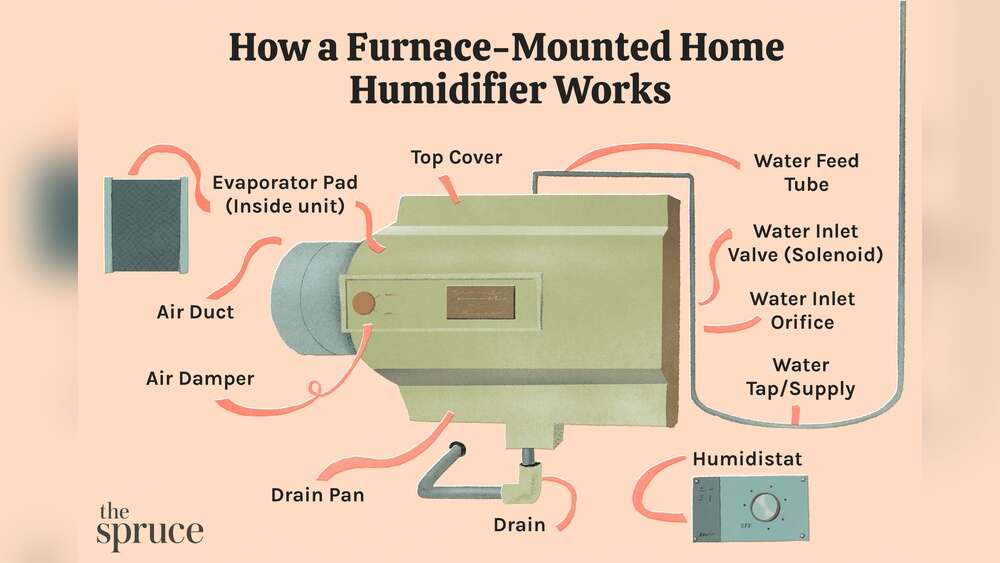
- Water supply line
- Drain line (for some models)
- Electrical hookup
- Humidistat (controls humidity level)
These extras can add $50 to $200.
Maintenance Costs
Every year, you’ll need to:
- Change pads or filters ($10–$40 each)
- Clean the unit
- Check water lines
Steam units usually cost less to maintain but more to buy.
Average Cost Breakdown
Here’s a simple look at the average total cost to add a humidifier to your furnace:
| Humidifier Type | Unit Cost | Labor Cost | Extras | Total Cost |
|---|---|---|---|---|
| Drum | $150–$250 | $200–$500 | $50–$100 | $400–$850 |
| Flow-through | $200–$350 | $300–$600 | $75–$150 | $575–$1,100 |
| Steam | $400–$1,200 | $400–$700 | $100–$200 | $900–$2,100 |
Tip: Always get a few quotes. Prices can change a lot from one contractor to another.
Is Diy Installation A Good Idea?
If you’re comfortable with tools and reading instructions, a basic drum or flow-through humidifier is possible to install yourself. Here’s what to consider:
- You’ll need: Power drill, tubing cutter, screwdriver, pliers.
- Time needed: 2–4 hours for most people.
- Risks: Leaks can cause water damage. Incorrect wiring can be dangerous.
I did part of my install myself, but hired a pro for the wiring. It cost more, but I felt safer.
When should you call a pro?
- If your furnace is under warranty (DIY might void it)
- For steam models (they need special wiring)
- If you’re not sure about your skills
Key Steps In Professional Installation
A professional installer will:
- Pick the right spot on your ductwork.
- Cut a hole for the humidifier.
- Connect the water line (sometimes to the hot water pipe).
- Add a drain line if needed.
- Wire the humidistat and power.
- Test everything.
A good tech will also show you how to use and maintain your new humidifier.
Ongoing Costs: What To Expect
Adding a humidifier is not a one-time cost. Here’s what you’ll spend each year:
- Replacement pads or filters: $10–$40
- Cleaning solution: $5–$10
- Water usage: Most use about 10–20 gallons per day in winter. This adds a few dollars to your bill.
- Pro servicing (optional): $75–$150 if you want a yearly check.
Steam units use more electricity, but the impact is small for most homes.
Real-world Example: My Costs
I added a flow-through humidifier to my 2,100 sq. ft. home in Ohio. Here’s my breakdown:
- Unit: $275 (Honeywell brand)
- Labor: $400 (local HVAC contractor)
- Extra parts: $85 (copper tubing, saddle valve, drain hose)
- Total: $760
Yearly, I spend about $25 on a new pad and cleaning. My winter gas bill dropped a little because I could set the heat lower and still feel warm, but that’s a bonus.
Common Mistakes To Avoid
Many people make small errors that add up to big costs or poor results. Watch out for these:
- Choosing the wrong size: Too small and you’ll stay dry. Too big and you might get mold.
- Ignoring maintenance: Pads and water lines can clog or grow mold.
- Bad placement: If the humidifier is installed on the wrong side of the duct, it won’t work well.
- Skipping the humidistat: This device controls humidity. Without it, you can over-humidify.
- Forgetting about water quality: Hard water causes deposits. Consider a filter if your water is hard.
I once forgot to change my pad for two winters. The old pad got covered in mineral buildup, and my unit stopped working right. Lesson learned—set a calendar reminder!
Long-term Benefits
Adding a furnace humidifier is an investment. Some of the long-term benefits include:
- Comfort: Moist air feels warmer, so you might use less heat.
- Health: Less dry skin, fewer nosebleeds, and can even help with allergies.
- Preserved wood and electronics: Dry air cracks wood, shrinks flooring, and can damage electronics with static.
- Lower bills: The right humidity means you can keep your thermostat lower.
Plus, your houseplants will thank you.
How To Choose The Right Humidifier For Your Home
With so many options, how do you pick? Here’s what matters most:
- Home size: Match the GPD rating to your square footage.
- Budget: Don’t just look at the unit price—include install and yearly costs.
- Maintenance style: Pick a unit you’ll actually clean and maintain.
- Water quality: If you have hard water, get a model that’s easy to clean.
- Noise: Steam units are quieter, drum types can be a bit noisy.
If you have allergies or asthma, a flow-through or steam model is better because they breed less mold.
Comparing Popular Brands
Many people ask about brands. Here’s a quick look at a few common choices:
| Brand | Price Range | Model Types | Warranty |
|---|---|---|---|
| Aprilaire | $200–$1,000 | Flow-through, Steam | 5 years |
| Honeywell | $180–$900 | Drum, Flow-through, Steam | 1–5 years |
| GeneralAire | $190–$1,100 | Flow-through, Steam | 5 years |
| Hamilton | $160–$800 | Drum, Flow-through | 1–3 years |
All these brands are trusted. I used Honeywell and found it reliable. But always read recent reviews.

Credit: www.productcleaningsolutions.com
What About Smart Humidifiers?
Today, some humidifiers connect to smart thermostats. They let you set humidity from your phone and even adjust to outdoor weather. These cost more, but can save energy and make life easier.
Expect to pay $100–$300 extra for smart features.
When To Replace Or Upgrade
A good furnace humidifier can last 10–15 years. You may need to replace it sooner if:
- It leaks or rusts
- The motor or solenoid fails
- The pad holder cracks
- You remodel your home and need more capacity
If your house always feels dry, it might be time to upgrade.

Credit: homeguide.com
Tips For Saving Money
Here’s what I learned from my own search:
- Shop offseason: Prices drop in spring and summer.
- Bundle with other HVAC work: If you’re getting a new furnace, ask for a deal.
- Mail-in rebates: Some utilities offer rebates for installing humidifiers.
- Buy filters in bulk: Saves money over time.
If you want more info on rebates and home energy savings, check out this US Department of Energy guide.
How To Know If Your Home Needs A Humidifier
Not every home needs a furnace humidifier. Signs you do:
- Static shocks when you touch things
- Dry, itchy skin in winter
- Cracking wood trim or flooring
- Indoor humidity below 30% (use a hygrometer to check)
If you’re seeing these, adding a humidifier can make a big difference.
My Personal Experience: What I’d Do Differently
Looking back, I’m glad I added a humidifier. My family was more comfortable, and my houseplants even grew better! But I’d suggest:
- Spend a bit more for a good humidistat.
- Don’t skip maintenance.
- Talk to your installer about water quality and drainage.
If I moved, I’d install a humidifier right away in a new home.
Frequently Asked Questions
How Much Does It Cost To Add A Humidifier To A Furnace?
The total cost usually ranges from $400 to $2,100, depending on the type (drum, flow-through, or steam), your home size, and local labor rates. Most people spend $700 to $1,200 for a common flow-through model, including installation.
Will Adding A Humidifier Raise My Energy Bills?
Most units use very little electricity. In fact, because humid air feels warmer, you might turn your heat down and save money. Steam models use more power but are still efficient for most homes.
Can I Install A Furnace Humidifier Myself?
If you’re handy, you can install a drum or flow-through model. You’ll need basic tools and some plumbing knowledge. Steam units and smart models should be installed by a pro for safety.
How Often Does A Furnace Humidifier Need Maintenance?
Replace pads or filters once a year (sometimes twice, if you have hard water). Clean the unit and check for leaks or buildup. Steam units need less frequent maintenance.
Is A Furnace Humidifier Safe For People With Allergies?
Yes, as long as you keep it clean and don’t over-humidify. Flow-through and steam models are best for allergy sufferers because they’re less likely to grow mold.
Adding a humidifier to your furnace is a smart move if you struggle with dry air. You’ll spend a few hundred to a couple thousand dollars depending on your choices, but the comfort and health benefits are real. With regular care, your humidifier will keep your home comfortable for years.
If you’re unsure, talk to a few local HVAC pros—they’ll help you pick the best model for your needs.