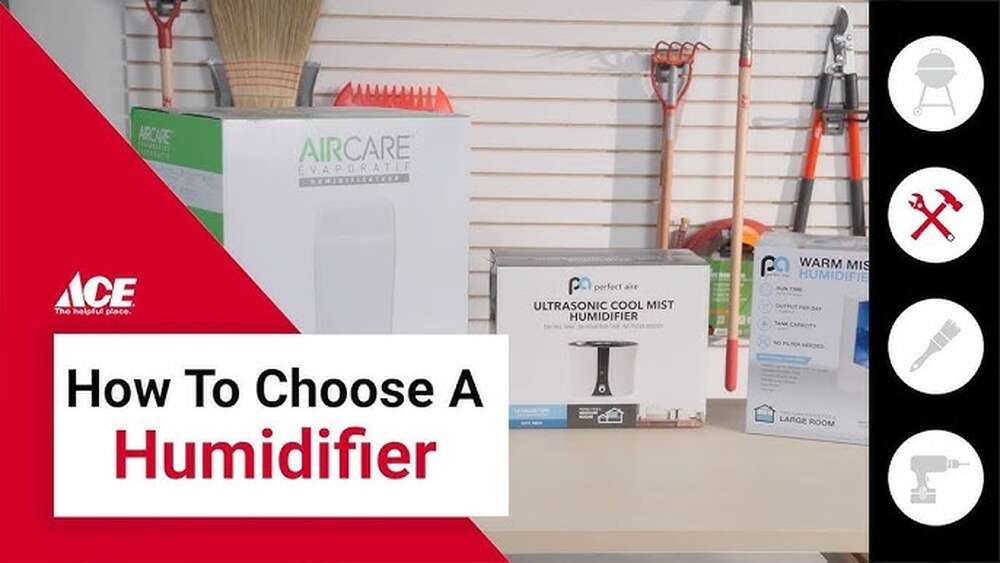
How to Choose a Humidifier: Expert Tips for Perfect Air Quality
Choosing the right humidifier can make your home more comfortable and even help with health problems. Dry air can cause dry skin, sore throats, and even nosebleeds. A good humidifier adds moisture to the air, helping you breathe better and sleep well.
But with so many options, how do you pick the best one? I’ve spent years testing humidifiers in my own home and helping friends choose the right models for their families. Here, I’ll guide you step by step so you can make a smart choice, even if you’ve never bought a humidifier before.
Understanding Why You Need A Humidifier
Before you buy, think about why you need a humidifier. Do you have allergies? Does your skin feel dry in winter? Are you worried about your baby’s room? Knowing your main reason helps you find the right type.
For example, last winter, my daughter kept waking up with a scratchy throat. Our doctor said the air was too dry, so I put a small humidifier in her room. The sore throat stopped within days. That simple fix made me realize how important the right humidifier can be.
Some common reasons people use humidifiers:
- Dry skin, lips, or hair
- Stuffy nose or sore throat
- Allergy or asthma relief
- Keeping wooden furniture or floors from cracking
- Making rooms more comfortable in winter
If you are not sure, think about what bothers you most in dry air. Write down your main goal. This will help you later.
Types Of Humidifiers: Finding Your Best Fit
Humidifiers come in different types, and each has its own strengths. Let’s look at the main kinds you’ll see in stores.
Cool Mist Humidifiers
These are popular for homes, especially for kids’ rooms. They use a fan to blow air through a wet filter or a vibrating plate to make a cool mist.
- Evaporative: Uses a wick filter and fan.
- Ultrasonic: Uses sound waves to create mist.
Cool mist models are good for large rooms and are safe because they don’t get hot.
Warm Mist Humidifiers
These heat water to make steam. The steam cools before leaving the machine. Warm mist types can kill more germs because they boil the water.
- Good for small spaces and bedrooms.
- Can help ease cold or flu symptoms.
But, they use more electricity and can be hot to touch.
Steam Vaporizers
Very similar to warm mist, but usually smaller and cheaper. They heat water and release steam.
- Best for one person or small room.
- Not safe for kids’ rooms due to hot water.
Hybrid Models
Some humidifiers combine cool and warm mist features. You can switch modes based on the season.
Central (whole House) Humidifiers
These are built into your home’s heating or air system. They keep the whole house comfortable.
- Expensive to install
- Great for big families or large homes
Below is a quick comparison to help you see differences:
| Type | Best For | Noise | Safety | Energy Use |
|---|---|---|---|---|
| Cool Mist | Children’s rooms, large spaces | Low to Medium | Very Safe | Low |
| Warm Mist | Bedrooms, cold relief | Low | Hot water risk | Medium |
| Steam Vaporizer | Personal use | Medium | Hot water risk | High |
| Central | Whole house | Very Low | Very Safe | Varies |
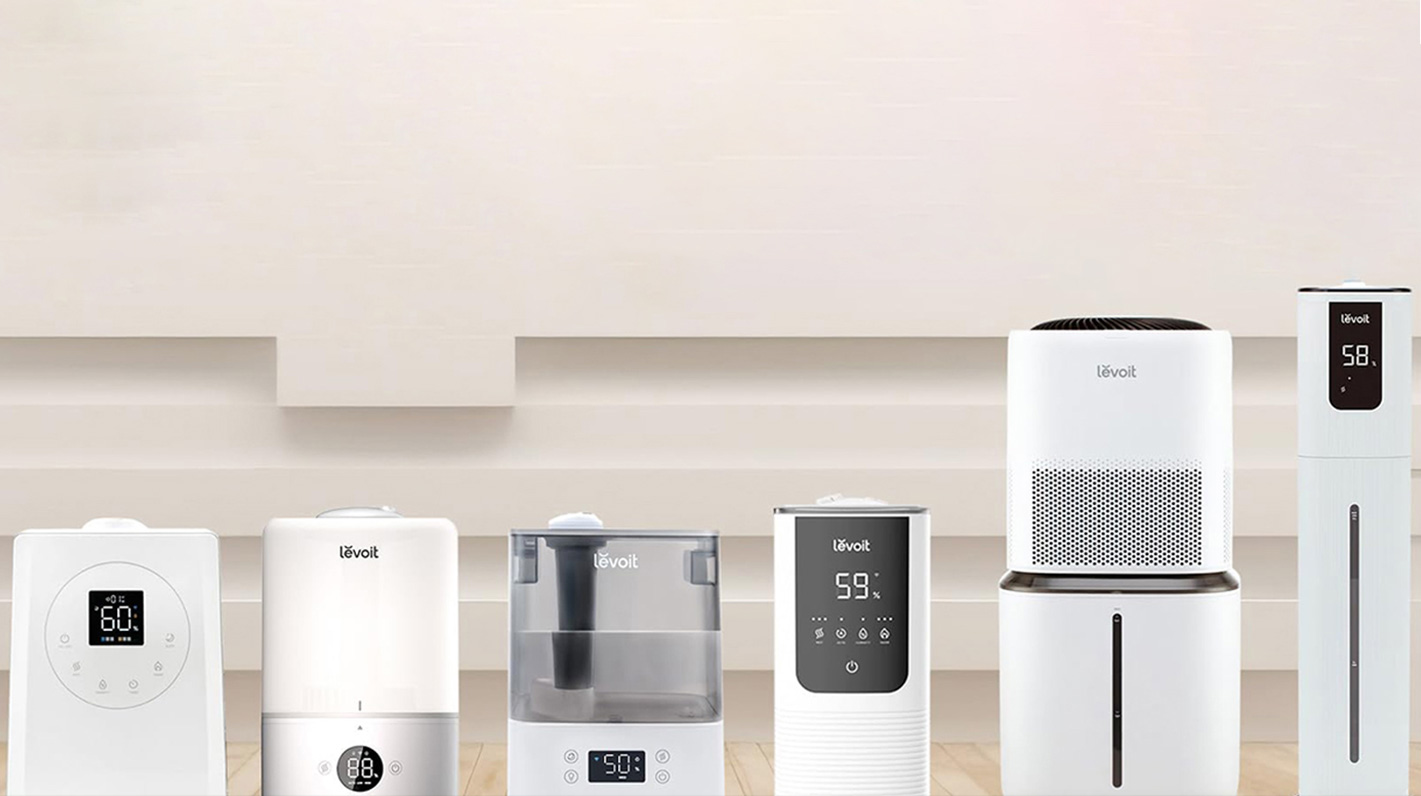
Credit: us.vesync.com
Room Size Matters: Pick The Right Capacity
One mistake I made when I first bought a humidifier was picking a small one for a big living room. It ran all day but barely changed the air. The size of your room makes a big difference.
How To Measure Your Room
- Small room: Up to 300 square feet (e.g., bedroom, office)
- Medium room: 300 to 500 square feet (e.g., large bedroom, small living room)
- Large room: Over 500 square feet (e.g., living room, open space)
Match Humidifier Output To Room Size
Humidifiers list their output in gallons or liters per day. Here’s a simple guide:
| Room Size | Humidifier Output Needed |
|---|---|
| Small | Up to 1 gallon (4 liters) per day |
| Medium | 1 to 2 gallons (4 to 8 liters) per day |
| Large | 2 gallons (8 liters) or more per day |
If your humidifier is too small, you’ll refill it often and it won’t work well. If it’s too big, the room may feel damp.
Features To Look For
Modern humidifiers come with a range of features. Some are must-haves. Others are nice extras.
Essential Features
- Adjustable Mist Output: Lets you set more or less mist.
- Auto Shut-Off: Turns off when water runs out.
- Easy to Clean: A simple design means less time scrubbing.
Useful Extras
- Humidistat: Measures room humidity and keeps it steady.
- Timer: Start and stop at set times.
- Filter Indicator: Tells you when to change the filter.
- Night Light: Handy for kids’ rooms.
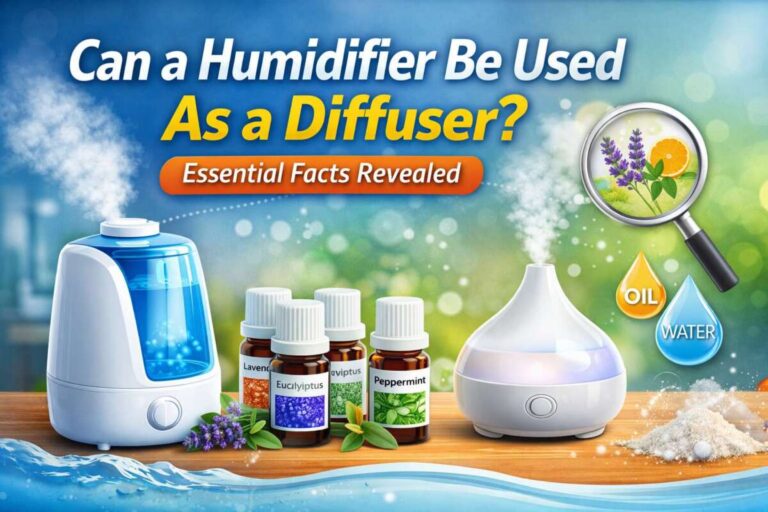
- Aromatherapy Tray: Lets you add essential oils.
When I chose a humidifier for my allergy-prone friend, I picked one with a humidistat. This kept her room at 45% humidity, which is perfect for comfort and health.
One thing new buyers often miss: some features, like a night light or aromatherapy, may seem fun but are not always needed. Focus on the basics first.
Noise Level: Quiet Or Noticeable?
If you are a light sleeper, noise matters. Ultrasonic humidifiers are usually quiet. Evaporative and steam models make a gentle hum or gurgle.
I once tried a cheap model that bubbled all night. It kept me awake. Now, I always check reviews for noise before buying.
Tip: For bedrooms or nurseries, look for models with a noise level under 35 decibels.
Cleaning And Maintenance: Don’t Overlook This
Humidifiers need regular cleaning. If you skip cleaning, they can grow mold or bacteria. This can make you sick.
How Often Should You Clean?
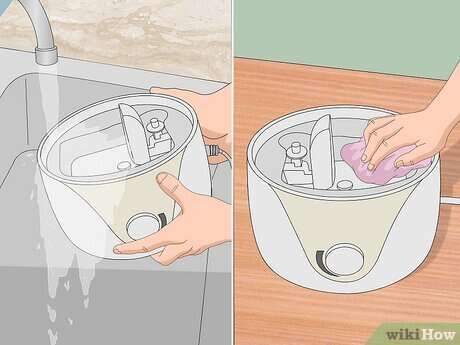
- Empty and rinse the tank daily.
- Deep clean with vinegar or mild soap once a week.
Some models need more work. Warm mist types can build up minerals. Ultrasonic models may need special filters for hard water.
I learned the hard way—after a few weeks of not cleaning, my humidifier began to smell bad. Now, I set a reminder on my phone to clean it every Sunday.
If you don’t want to clean often, pick a simple design with fewer parts.
Filter Or Filter-free: Which Is Better?
Some humidifiers use filters to catch dust and minerals. Others are filter-free.
Filter-based
- Cleaner mist for sensitive lungs.
- Must replace filters every 1–2 months.
- Ongoing cost for new filters.
Filter-free
- Less maintenance, cheaper long-term.
- May leave white dust if you have hard water.
- Often quieter.
If you have allergies or asthma, a filtered model is safer. If you want low cost, filter-free may be best.
Hard Water And White Dust
If you have hard tap water, ultrasonic humidifiers can leave a fine white dust. This is harmless but annoying.
Ways to reduce white dust:
- Use distilled water in your humidifier.
- Choose a model with a demineralization cartridge.
- Pick an evaporative type (less dust).
I live in a city with very hard water. After seeing white dust on my bookshelves, I switched to distilled water. The dust problem disappeared.
Energy Use And Running Costs
Some humidifiers use more power than others. Warm mist and steam models heat water, so they cost more to run. Cool mist, especially ultrasonic types, are more energy-efficient.
Also, check the cost of filters and cleaning products. These add up over time.
Below is a typical yearly estimate for a medium-sized humidifier:
| Type | Energy Cost (USD/year) | Filters (USD/year) |
|---|---|---|
| Cool Mist (Evaporative) | $10–$20 | $20–$40 |
| Cool Mist (Ultrasonic) | $5–$15 | $0–$10 |
| Warm Mist/Steam | $20–$40 | $0 |
Safety Tips For Families
Safety is key, especially with children or pets. Warm mist and steam types can get hot. Always keep them out of reach.
Look for these safety features:
- Tip-over protection: Shuts off if knocked over.
- Cool-touch exterior: Safe to touch, even when running.
- Auto shut-off: Turns off when empty.
For babies’ rooms, always choose a cool mist model. Never add essential oils unless the manual says it’s safe.
Humidity Level: Find The Sweet Spot
Too much moisture can cause mold. Too little dries out your nose and skin. The best indoor humidity is 30% to 50%.
A humidifier with a built-in humidistat will keep levels just right. You can also buy a small humidity meter (hygrometer) for $10–$20.
If your windows get foggy or you see mold, turn the humidifier down.
Budget: How Much Should You Spend?
Prices range from $20 for a basic model to over $300 for large, smart models. You don’t need the most expensive one to get good results.
- $20–$50: Small, basic units for bedrooms.
- $50–$150: Good for medium rooms, more features.
- $150–$300: Large rooms, smart controls, whole-home options.
Don’t forget the cost of filters, cleaning, and water.
I bought a $40 model for my office. It’s simple, easy to clean, and works well. For my living room, I spent more because I wanted a larger tank and better controls.
Smart And Connected Humidifiers
Some new humidifiers connect to your phone or smart home. You can control humidity from an app or with your voice (like Alexa or Google Home).
- Set schedules
- Get alerts when water is low
- Track humidity levels
These models are usually pricier, but handy if you love tech.
Where To Place Your Humidifier
Placement makes a difference. Put your humidifier on a flat, raised surface (like a table), not on the floor. Keep it away from walls, electronics, and direct sunlight.
- At least 2 feet from the wall
- Not near a heat source or air vent
- Out of reach of kids and pets
In bedrooms, place it a few feet from your bed, not right next to your pillow.

Credit: www.vickshumidifiers.com
Top Mistakes To Avoid
- Ignoring cleaning: Skipping cleaning leads to germs.
- Wrong room size: Too small or too big won’t work well.
- Using tap water in hard water areas: Causes white dust.
- Setting humidity too high: Can cause mold.
- Putting it on the floor: Less effective and can damage floors.
These are simple to avoid if you plan ahead.
Real-world Example: Choosing For A Family
Let’s say you have two kids, a living room, and bedrooms. You want healthy air, but don’t want to spend a lot.
- For kids’ rooms: Pick a cool mist, ultrasonic model with auto shut-off and a night light.
- For the living room: Choose a larger evaporative model with a humidistat.
- Check your water type. If you have hard water, buy a demineralization cartridge or use distilled water.
When I helped my cousin set up humidifiers for her family, we started with a small, easy-to-clean model for her baby. She noticed less coughing and better sleep in just a week.

Credit: www.aircare.com
How To Test And Monitor Humidity
After setup, check the actual humidity. Buy a digital hygrometer. Place it near where you sit or sleep. Aim for 40% to 50%. Adjust the humidifier until you reach this range.
If the air feels damp, lower the setting. If your skin feels dry, raise it a little.
When To Replace Your Humidifier
If your humidifier is over 5 years old, or if it smells musty even after cleaning, it may be time to buy a new one. Old units can hide mold and bacteria.
Most humidifiers last 3–7 years with good care. Keep your receipt and warranty, just in case.
Humidifier Brands To Consider
Not all brands are equal. Some are known for quality and safety. Popular brands include:
- Honeywell: Reliable, many options
- Vicks: Good for cold and flu relief
- Levoit: Quiet, modern designs
- TaoTronics: Affordable, easy to use
- Venta: High-end, whole-room options
Check reviews and make sure the brand has a good reputation for support and parts.
For more on indoor air quality, visit the EPA’s Indoor Air Quality page.
Frequently Asked Questions
What Is The Best Type Of Humidifier For Allergies?
For allergies, a cool mist humidifier with a HEPA filter is usually best. It adds moisture and removes dust and pollen from the air. Make sure to clean it often to prevent mold.
Can I Use Tap Water In My Humidifier?
You can use tap water, but if you have hard water, it may leave white dust. Distilled or filtered water is better for most ultrasonic models.
How Often Should I Clean My Humidifier?
Daily: Rinse and empty the tank.
Weekly: Deep clean with vinegar or mild soap.
This stops germs and keeps your air healthy.
Is It Safe To Use Essential Oils In My Humidifier?
Only if the manual says so. Many humidifiers are not made for oils. Using them can break the machine or release harmful particles.
What Humidity Level Is Best For Health?
30% to 50% humidity is ideal. This range keeps your skin, nose, and lungs comfortable and helps prevent mold and dust mites.
—
Choosing a humidifier doesn’t have to be hard. Think about your needs, room size, and the features that matter most. Clean your humidifier often and watch your humidity levels. With a little care, your humidifier will keep your air comfortable all year round.
I’ve seen the difference in my own home and in many friends’ homes—better sleep, less coughing, and happier skin. Take your time, read reviews, and you’ll find a model that fits your space and your life.