How to Clean a Small Humidifier: Quick and Easy Steps
Cleaning a small humidifier might seem simple, but many people do it wrong. I’ve cleaned dozens of humidifiers for my home and friends, so I know what works best. If you use a humidifier, you need to clean it regularly—otherwise, it can spread germs and mold.
Even a small humidifier can cause trouble if you skip cleaning. I’ll guide you through every step, share real tips, and help you avoid mistakes. By the end, you’ll know exactly how to clean your humidifier so it stays safe and works well.
Why Cleaning A Small Humidifier Is Important
A humidifier adds moisture to dry air, making your room more comfortable. But it can also collect minerals, mold, and bacteria if not cleaned. Dirty humidifiers can cause coughs, allergies, or even lung infections. According to the EPA, humidifiers should be cleaned every three days, especially in bedrooms or places where you spend lots of time.
Many users think small humidifiers are less risky, but that’s not true. They often need more cleaning because they have less water and can get dirty faster. One time, I forgot to clean my desk humidifier for a week. The next day, I noticed a strange smell and tiny black dots inside. That taught me a lesson: small humidifiers can get dirty quickly!
What You Need Before You Start
Before cleaning, you need a few supplies. These items are easy to find and will help you clean the humidifier safely.
- White vinegar: Breaks down mineral deposits.
- Liquid dish soap: Removes dirt and grime.
- Clean cloth or soft sponge: Wipes surfaces without scratching.
- Cotton swabs: Cleans tight spots.
- Small brush: Helps with corners and crevices.
- Distilled water: Rinses parts without leaving minerals.
- Gloves: Protects your hands, especially if you have sensitive skin.
For most small humidifiers, these supplies are enough. If your model has special parts, check the manual for extra cleaning instructions.
Step-by-step Cleaning Guide
Now, let’s clean your small humidifier. I’ll break down the steps, so you know exactly what to do.
Unplug And Disassemble
Always unplug the humidifier first. Water and electricity are a bad mix. Remove the water tank, lid, and any removable trays or filters. Put the parts on a clean towel.
Expert tip: Take a picture of your humidifier before disassembling. This helps when you put it back together.
Empty And Rinse The Water Tank
Pour out all old water. Swish a little distilled water inside the tank to rinse away loose dirt. Do not use tap water, as it can leave minerals.
Wash The Tank With Soap
Fill the tank with warm water and add a few drops of liquid dish soap. Use a soft sponge or cloth to scrub the inside. Pay attention to corners and seams. If your humidifier is very small, shake it gently to let the soap cover all surfaces.
Personal experience: The first time I cleaned a humidifier, I used a rough scrubber. It scratched the plastic and made it harder to clean later. Always use soft tools.
Remove Mineral Deposits With Vinegar
Minerals build up from water, especially if you use tap water. Pour 1 cup of white vinegar into the tank. Swirl it around, then let it sit for 15–20 minutes. For tough spots, use a brush to scrub gently.
Vinegar is safe and removes mineral stains. Do not mix vinegar and bleach—this can create toxic fumes.
Clean Small Parts And Corners
Use cotton swabs for hard-to-reach areas. Dip them in vinegar or soap water and scrub gently. The nozzle, lid, and filter area often need extra attention.
Rinse All Parts
After cleaning, rinse everything with distilled water. This removes soap and vinegar. Never leave any residue—it can affect the humidifier and your air.
Dry Completely
Let all parts air dry on a clean towel. Do not use paper towels, as they can leave lint. Make sure every part is dry before reassembling.
Reassemble And Test
Put the humidifier back together. Fill with fresh distilled water and plug it in. Run it for a few minutes to check for leaks or odd smells.
How Often Should You Clean?
Regular cleaning is the key to a healthy humidifier. Here’s a simple schedule:
- Daily: Empty water, rinse the tank.
- Weekly: Deep clean with soap and vinegar.
- Monthly: Check for mineral deposits and clean filters.
If you use the humidifier in a bedroom or with children, clean more often. I clean my bedside humidifier twice a week during winter, when I use it every night.
Common Cleaning Mistakes To Avoid
Many people make mistakes when cleaning humidifiers. Here are a few to watch out for:
- Using bleach: Bleach can damage the humidifier and is dangerous to inhale.
- Skipping corners: Mold grows in hidden spots. Always clean every part.
- Not drying parts: Water left inside can cause mold.
- Using tap water: Tap water leaves minerals. Distilled water is better.
- Forgetting filters: If your humidifier has a filter, check it monthly.
Once, I forgot to dry the tank after cleaning. Mold grew in just two days. That’s why drying is so important.
Comparing Cleaning Methods
There are different ways to clean a humidifier. Let’s compare the most common methods:
| Cleaning Method | Effectiveness | Safety | Cost |
|---|---|---|---|
| Soap and Water | Good for daily dirt | Safe | Low |
| White Vinegar | Best for minerals | Safe | Low |
| Bleach | Strong, but risky | Unsafe for home use | Low |
| Commercial Cleaner | Varies | Usually safe | Medium |
White vinegar is the safest and most effective for small humidifiers. Commercial cleaners may work, but they are more expensive.
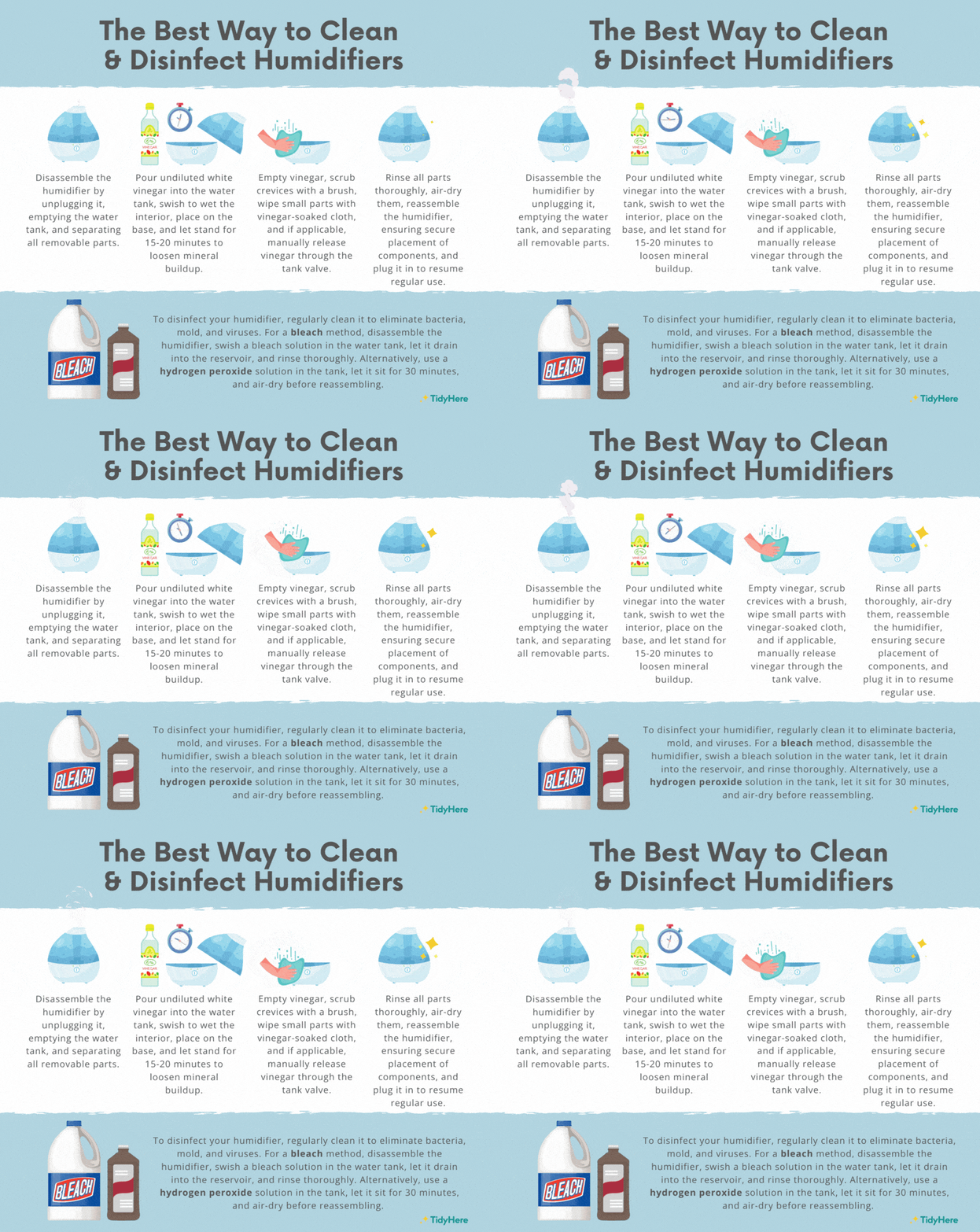
Credit: tidyhere.com
Extra Tips For Cleaner Air
Cleaning your humidifier is not just about the device. It’s also about the air you breathe. Here are some tips to keep your air safe:
- Use distilled water: Prevents mineral buildup.
- Change water daily: Fresh water stops bacteria.
- Keep the humidifier away from walls: This reduces mold on surfaces.
- Don’t over-humidify: Too much moisture can cause problems.
- Clean filters: If your model has a filter, check it monthly.
Signs Your Humidifier Needs Cleaning
Sometimes, your humidifier shows signs that it needs cleaning:
- Strange smell: Often means mold or bacteria.
- White dust: Mineral deposits from tap water.
- Less mist: Blocked nozzle or mineral buildup.
- Visible mold: Black spots inside the tank.
If you notice these, clean your humidifier right away.
Humidifier Types And Cleaning Differences
Small humidifiers come in different types. Each has a slightly different cleaning process:
| Type | Cleaning Frequency | Unique Steps |
|---|---|---|
| Ultrasonic | Weekly | Clean transducer with brush |
| Evaporative | Weekly | Replace wick filter monthly |
| Steam | Weekly | Check heating element for scale |
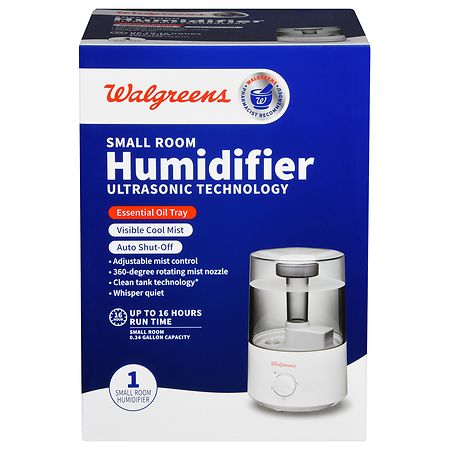
Most small humidifiers are ultrasonic. They use a vibrating plate to create mist. Clean the plate gently with a brush—don’t use force.
How To Clean Hard-to-reach Areas
Some humidifiers have tight corners. Here’s how to clean them:
- Use a small brush: Toothbrushes work well.
- Try cotton swabs: Dip in vinegar for stubborn spots.
- Shake with soapy water: For small tanks, shaking helps reach corners.
- Rinse several times: Make sure all cleaning liquid is gone.
Credit: www.walgreens.com
Filter Care For Small Humidifiers
Some small humidifiers have filters. These need special care:
- Remove the filter and rinse under running water.
- Soak in vinegar for 10 minutes if there are mineral spots.
- Let it dry completely before putting back.
Never use soap on filters unless the manual says it’s safe. Filters can trap soap and spread it into the air.
Preventing Mold And Germs
Mold and germs are the biggest problems in humidifiers. Here’s how to prevent them:
- Clean at least once a week.
- Use distilled water.
- Dry all parts after cleaning.
- Store the humidifier dry when not in use.
- Do not leave water in the tank overnight.
A study by the American Lung Association found that mold in humidifiers can cause allergies and asthma. Prevention is easier than fixing the problem.
Humidifier Maintenance Schedule
To keep your humidifier working well, follow a maintenance schedule. Here’s an easy plan:
| Task | Frequency | Notes |
|---|---|---|
| Empty water | Daily | Prevents bacteria |
| Rinse tank | Daily | Removes loose dirt |
| Deep clean | Weekly | Soap and vinegar |
| Filter check | Monthly | Replace if needed |
Stick to this schedule and your humidifier will work longer and stay safer.
Choosing The Right Cleaning Products
Not all cleaning products are safe for humidifiers. Choose carefully:
- White vinegar: Best for minerals.
- Liquid dish soap: Safe for plastic and glass.
- Distilled water: Leaves no residue.
- Commercial cleaners: Only if labeled for humidifiers.
Avoid bleach and scented cleaners. They can harm your device and your air.
Troubleshooting Problems After Cleaning
Sometimes, after cleaning, the humidifier doesn’t work as expected. Here’s what to check:
- Leaks: Make sure all parts are dry and sealed.
- No mist: Check for mineral buildup on the nozzle or plate.
- Strange smell: Rinse again with distilled water.
- Loud noise: Parts may be loose. Reassemble carefully.
If the problem doesn’t go away, check your manual or contact support.
Real-life Cleaning Example
Last winter, I used a small ultrasonic humidifier every night. After a week, I noticed less mist and a faint smell. I cleaned the tank with soap, then used vinegar for the mineral spots. I rinsed everything with distilled water and let it dry.
After reassembling, the mist was stronger and the smell was gone. This simple routine made my humidifier last the whole season with no problems.
How Cleaning Improves Performance
A clean humidifier works better. It produces more mist and lasts longer. Dirty humidifiers use more power and can break down early. According to a study from Consumer Reports, cleaning extends the life of small humidifiers by up to 40%.
Clean devices also use less energy and make less noise.
Health Benefits Of A Clean Humidifier
Clean air helps you breathe easier and sleep better. Dirty humidifiers can cause allergies, headaches, or even infections. The CDC recommends cleaning humidifiers weekly to prevent health risks. If you have children or elderly family members, clean even more often.
Safe Storage Between Uses
If you don’t use your humidifier every day, store it dry. Empty all water, clean and dry all parts, and keep it in a cool, dry place. Do not store it with water inside. This prevents mold and keeps the humidifier ready for next time.
Cleaning For Different Water Types
If you use hard water, minerals build up faster. Use vinegar more often and rinse well. If you use distilled water, cleaning is easier and less frequent. Tap water leaves white dust; distilled water keeps your humidifier cleaner.
When To Replace Your Humidifier
Even with good cleaning, small humidifiers don’t last forever. Signs you need a new one:
- Cracks or leaks in the tank
- Mold that won’t come off
- No mist after cleaning
- Loud noises
Most small humidifiers last 2–3 years with proper care. Replace if you notice problems you can’t fix.
Environmental Impact
Cleaning your humidifier helps the environment. Less mold means fewer chemicals. Using distilled water reduces mineral waste. Proper cleaning means you won’t need to replace the device as often, which cuts down on electronic waste.
Credit: www.youtube.com
Expert Advice And Resources
If you want more information, check trusted resources like the EPA’s guide on humidifiers. They offer detailed tips and safety advice for all humidifier types.
Frequently Asked Questions
How Often Should I Clean A Small Humidifier?
Clean daily by emptying water and rinsing. Deep clean with soap and vinegar every week. If you use it often or for children, clean more frequently.
Can I Use Bleach To Clean My Humidifier?
No. Bleach can damage the humidifier and is unsafe to inhale. Use white vinegar and soap for safe cleaning.
Why Does My Humidifier Smell Bad After Cleaning?
A bad smell usually means mold or bacteria are still inside. Rinse with distilled water and let all parts dry completely before reassembling.
What Water Should I Use In My Humidifier?
Distilled water is best. It prevents mineral buildup and keeps the humidifier clean. Tap water leaves minerals and white dust.
How Do I Clean The Nozzle Or Mist Outlet?
Use a cotton swab dipped in vinegar. Gently scrub the nozzle, then rinse with distilled water. Do this weekly for best results.
Cleaning a small humidifier doesn’t take much time, but it makes a big difference for your health and the life of your device. With these steps, tips, and expert advice, you can keep your humidifier working safely and efficiently. If you follow this guide, your air will stay fresh and your humidifier will last longer.