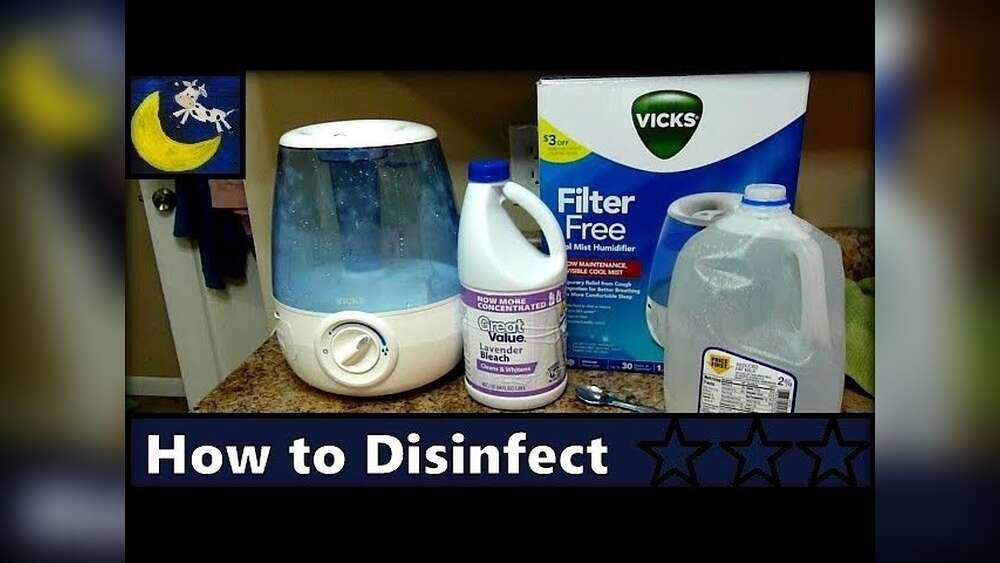
How to Clean a Humidifier With Bleach: Step-by-Step Guide
Cleaning a humidifier is something many people forget, but it is very important. If you use your humidifier often, dust and germs can build up inside. This can cause bad smells or even health problems. I have cleaned many humidifiers myself, including my own and for friends.
One time, I noticed that the air in my bedroom smelled musty after using my humidifier for a week. When I checked inside, I saw slimy residue and even some mold. That experience taught me how crucial regular cleaning is.
Bleach is a strong cleaner that kills germs and mold. If you use bleach safely and correctly, your humidifier will work well and give you clean air. In this guide, I will show you step-by-step how to clean your humidifier with bleach.
I will share tips from my own experience, explain why each step matters, and answer common questions. By the end, you will feel confident cleaning your humidifier and keeping your home healthy.
Why Clean Your Humidifier Regularly
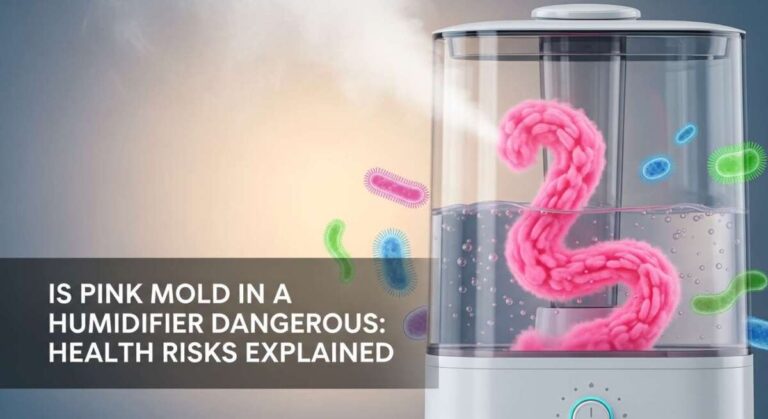
Humidifiers add moisture to the air, which can help dry skin, allergies, and breathing problems. But if you do not clean them, they can cause new problems. Dirty humidifiers can spread bacteria, mold, and minerals into the air. This can irritate your lungs or trigger allergies.
According to the Centers for Disease Control and Prevention (CDC), unclean humidifiers can cause respiratory issues, especially in children and older adults. In fact, tests show that dirty humidifiers can increase airborne bacteria by up to 500%. That is why cleaning is not just good practice—it is necessary.
Some signs your humidifier needs cleaning:
- Bad smell from the device or the room
- White dust settling near the humidifier
- Visible slime or residue inside
- Water stains or discoloration
I learned from experience that even if water looks clear, germs can still be present. Once, I cleaned my humidifier only after seeing mold, but by then, the smell had already made my bedroom uncomfortable. Now, I clean my humidifier every week, and the air feels fresher.
Bleach: Why It Works And When To Use It
Bleach is a powerful disinfectant. It kills almost all germs and mold. For humidifiers, bleach is recommended by many manufacturers for deep cleaning. The active ingredient in bleach is sodium hypochlorite, which breaks down bacteria and fungi quickly.
You should use bleach:
- For monthly deep cleaning
- If you see mold or slime inside
- If the humidifier smells bad
For daily or weekly cleaning, mild soap or vinegar is often enough. But for tough stains or germs, bleach is best.
Safety Tips For Using Bleach
Bleach is strong and can be dangerous if used wrong. Always:
- Use gloves to protect your skin
- Work in a well-ventilated area
- Never mix bleach with other cleaners
- Rinse thoroughly after cleaning
I once forgot to open a window when cleaning with bleach. The smell was strong and uncomfortable. Now, I always open windows or use a fan to keep the air fresh.
What You Need Before You Start
Gather all supplies before you clean. This saves time and helps you clean safely.
- Unscented household bleach (regular strength, not concentrated)
- Clean water (preferably distilled or filtered)
- Rubber gloves
- Soft brush (like a toothbrush)
- Clean towel
- Measuring cup
- Small bowl or bucket
- Face mask (optional, for sensitive people)
Check your humidifier’s manual first. Some models have special cleaning instructions.
Step-by-step Guide To Cleaning A Humidifier With Bleach
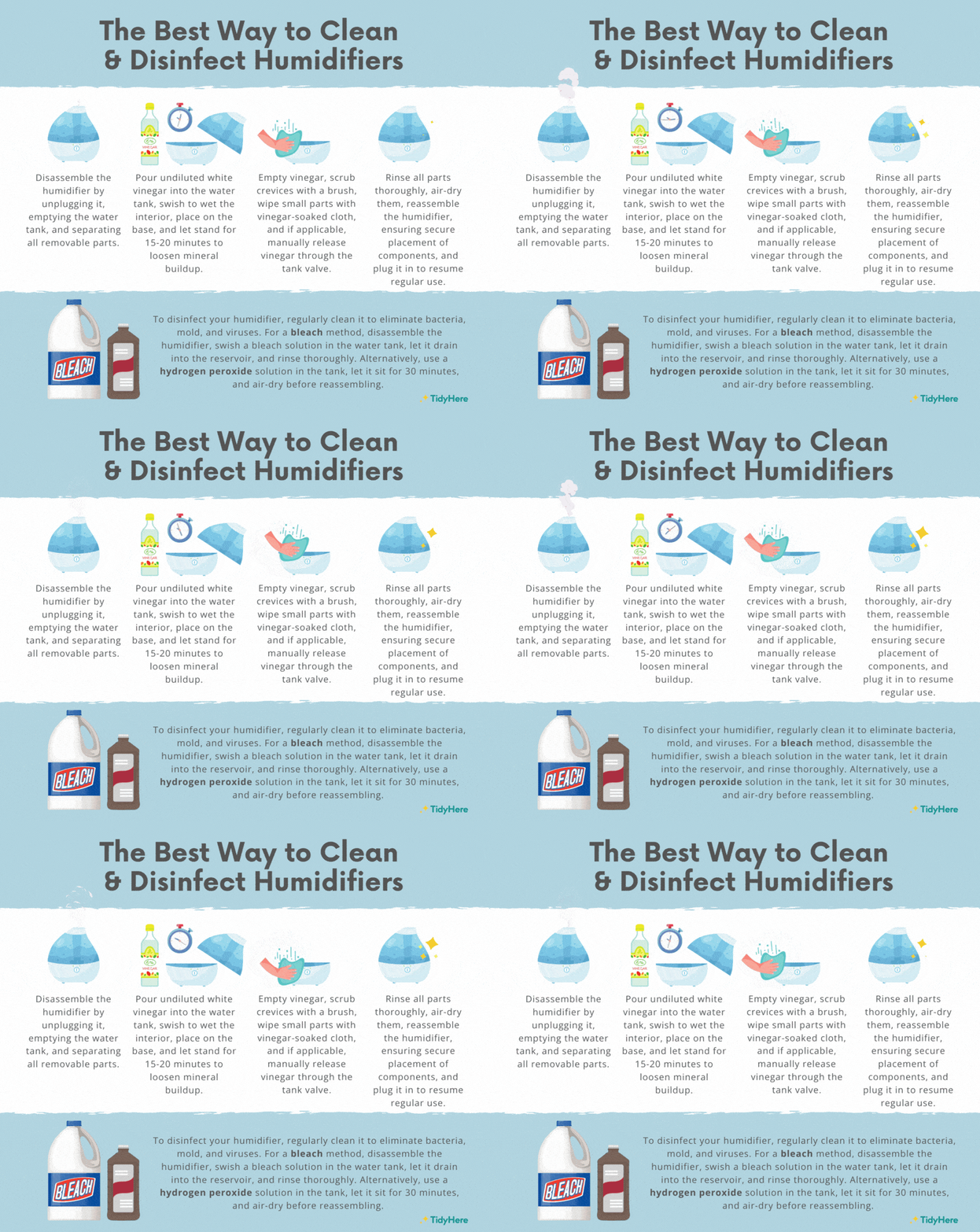
1. Unplug And Disassemble
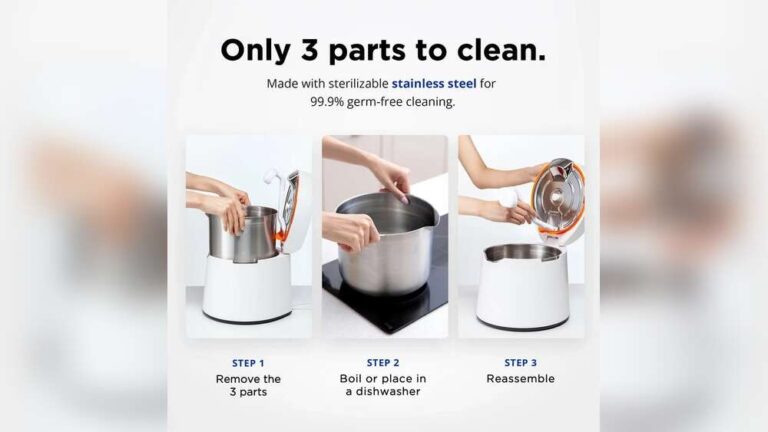
Always unplug your humidifier before cleaning. Take out the water tank and any removable parts, like filters or trays. Set them aside.
Many humidifiers have several parts:
- Water tank
- Base or reservoir
- Filter (if present)
- Nozzle or mist outlet
Disassembling helps you reach every area where germs can hide.
2. Empty And Rinse
Pour out any old water from the tank and base. Rinse them with clean water. This removes loose dust and dirt.
3. Prepare The Bleach Solution
Mix bleach with water. The safe ratio is one teaspoon of bleach per one gallon of water. Do not use more bleach than recommended.
For example, if your tank holds half a gallon, use half a teaspoon of bleach. Mix the solution in a bowl or bucket.
Here is a quick reference:
| Tank Size | Bleach Needed | Water Needed |
|---|---|---|
| 1 gallon | 1 teaspoon | 1 gallon |
| 0.5 gallon | 0.5 teaspoon | 0.5 gallon |
| 2 gallons | 2 teaspoons | 2 gallons |
4. Clean The Water Tank
Pour the bleach solution into the tank. Swirl it around so every surface is covered. Let it sit for 15–20 minutes. This gives bleach time to kill germs.
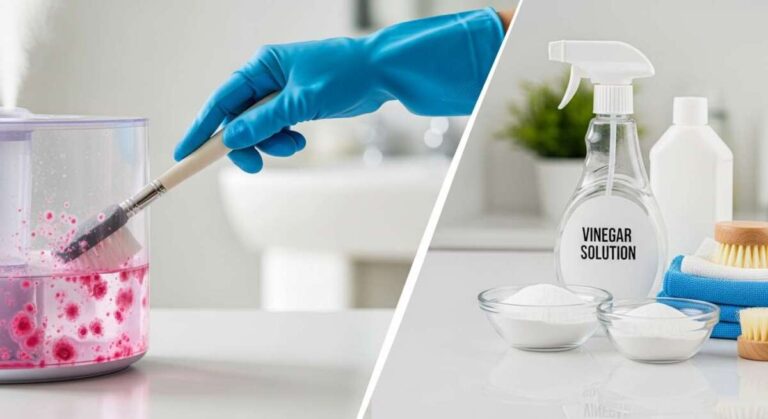
If your tank has corners or tight spots, use a soft brush to scrub gently. I use an old toothbrush for this. It helps remove any slime or mold stuck inside.
5. Clean The Base And Other Parts
Pour some bleach solution into the base or reservoir. Swirl and let it sit for 15–20 minutes. Use your brush to scrub any visible residue.
For filters: Most filters should not be cleaned with bleach. Check your manual. If your filter is washable, rinse it with water only.
Clean the nozzle or mist outlet with a damp cloth dipped in the bleach solution.
6. Rinse Thoroughly
After soaking, pour out the bleach solution. Rinse all parts several times with clean water. This is very important. Any leftover bleach can cause strong smells or damage the humidifier.
For best results, rinse each part 3–4 times. I once rushed and only rinsed once. The next time I used the humidifier, the air smelled like bleach. Multiple rinses remove all traces.
Let all parts air dry on a clean towel. This prevents new germs from growing.
7. Reassemble And Fill
Once everything is dry, put the humidifier back together. Fill the tank with clean water. Plug it in and start using it.
Credit: tidyhere.com
How Often Should You Clean With Bleach?
For most people, cleaning with bleach once a month is enough. If you use your humidifier daily, or live in a humid area, you may need to clean more often.
Here is a schedule:
| Usage | Bleach Cleaning | Soap/Vinegar Cleaning |
|---|---|---|
| Daily use | Every 2–4 weeks | Weekly |
| Occasional use | Every 4–6 weeks | Every 2 weeks |
| Seasonal use | Before and after season | Before storage |
Practical Tips For Easy Cleaning
Cleaning can feel like a chore, but these tips make it easier:
- Set a reminder on your phone or calendar
- Always use distilled water to reduce mineral build-up
- Keep cleaning supplies near your humidifier
- Check for mold or slime every time you refill
One tip I learned: If you add a drop of bleach to the rinse water, it helps kill any leftover germs. Just rinse again with pure water afterward.

Credit: prudentreviews.com
Mistakes To Avoid
Even experienced users make mistakes. Here are some to watch for:
- Using too much bleach: This can damage plastic parts or leave strong smells.
- Not rinsing enough: Bleach residue can cause irritation.
- Mixing bleach with other cleaners: This can create dangerous fumes.
- Cleaning filters with bleach: Most filters are sensitive and can be damaged.
- Forgetting to unplug: Always unplug before cleaning to prevent shocks.
I once tried to clean my humidifier with a vinegar-bleach mix. The smell was terrible, and I learned never to mix cleaners.
How Bleach Compares To Other Cleaners
Some people use white vinegar or hydrogen peroxide for cleaning. These are good for light cleaning but do not kill all germs as well as bleach.
Here is a comparison:
| Cleaner | Germ Removal | Mold Removal | Odor Removal | Safe for Plastic |
|---|---|---|---|---|
| Bleach | Excellent | Excellent | Good | Yes (if rinsed well) |
| Vinegar | Moderate | Fair | Excellent | Yes |
| Hydrogen Peroxide | Good | Good | Good | Yes |
If you have severe allergies or live in a humid area, bleach is the best choice. Vinegar is good for quick, light cleaning.

Credit: www.youtube.com
Real-world Results: What To Expect
After cleaning with bleach, your humidifier should:
- Smell fresh (no musty or sour odor)
- Produce clean mist
- Have no visible residue or slime
- Run smoothly
Many users report fewer allergy symptoms after cleaning. In my home, cleaning with bleach made a big difference. The air felt lighter, and my allergy symptoms decreased. The musty smell disappeared, too.
What If You Have Hard Water?
Hard water contains minerals that can build up in your humidifier. These deposits (white dust) can block the mist and cause bacteria to grow.
If you have hard water:
- Use distilled water whenever possible
- Clean with bleach monthly
- Wipe mineral deposits with vinegar before bleach cleaning
This extra step prevents clogs and keeps your humidifier running well.
Keeping Your Humidifier Clean Long-term
A clean humidifier needs regular care. Here are some habits that help:
- Empty and refill the water tank every day
- Clean with soap or vinegar every week
- Deep clean with bleach once a month
- Store the humidifier dry when not in use
If you follow these habits, your humidifier will last longer and work better.
Bleach And Health: What You Need To Know
Bleach is safe when used correctly. But inhaling bleach fumes or touching undiluted bleach can cause problems. Always:
- Use the right dilution
- Rinse all parts well
- Keep bleach away from children and pets
If you have asthma or sensitive lungs, use a mask or ask someone else to help with cleaning.
The Environmental Protection Agency (EPA) recommends using bleach only as needed and rinsing carefully. For more tips on safe cleaning, visit EPA Safe Water.
Frequently Asked Questions
Can I Run Bleach Through My Humidifier During Use?
No, never run bleach through the humidifier while it is operating. Bleach fumes are harmful. Only use bleach for cleaning, then rinse completely before use.
How Much Bleach Is Safe For Cleaning A Humidifier?
Use one teaspoon per gallon of water. Do not use more. Too much bleach can damage the humidifier or cause strong smells.
What If My Humidifier Still Smells After Cleaning?
If the smell remains, rinse again with clean water. Check for hidden mold or residue. Clean all parts thoroughly. Sometimes, repeated rinsing is needed.
Can I Clean All Humidifier Models With Bleach?
Most models are safe to clean with bleach, but some ultrasonic or filter-based units need special care. Always check the manual before using bleach.
Is It Safe To Clean Humidifiers With Bleach If I Have Pets Or Children?
Yes, but keep bleach and cleaning supplies out of reach. Rinse well to remove all bleach. Dry parts fully before reassembling.
Cleaning your humidifier with bleach keeps your air fresh and safe. With these steps and tips, you can easily maintain your humidifier. From my own experience, regular cleaning makes a big difference in air quality and comfort. If you follow this guide, you will avoid common mistakes and keep your home healthy.