How to Clean Carepod Humidifier: Easy Steps for Fresh Air
Keeping your Carepod humidifier clean is not just about making it look nice. It’s about the air you breathe every day. Many people buy humidifiers but forget that a dirty machine can spread bacteria, mold, and minerals into the room.
I learned this the hard way when I got my first Carepod. After a few weeks, I noticed a musty smell and white dust around my bedroom. It took some digging to realize the humidifier needed regular, careful cleaning.
If you own a Carepod humidifier, you probably chose it for its simple design and easy maintenance. But even the best humidifier needs the right care. In this guide, I’ll walk you through everything you need to know, from why cleaning matters to step-by-step instructions.
I’ll include some personal tips and common mistakes to avoid, so you can keep your air clean and your Carepod running smoothly.
Why Cleaning Your Carepod Humidifier Matters
Humidifiers help with dry skin, allergies, and even better sleep. But they can do more harm than good if not cleaned often. A dirty humidifier can spread bacteria, mold spores, and mineral dust into your home. This can make allergies worse, trigger asthma, or even cause infections.
According to the Environmental Protection Agency (EPA), humidifiers should be cleaned every three days to prevent harmful buildup. In my early days, I skipped cleanings for a week and started sneezing more at night. After I cleaned the Carepod, the sneezing stopped.
It was a clear sign that regular cleaning really does affect air quality.
Understanding The Carepod Humidifier
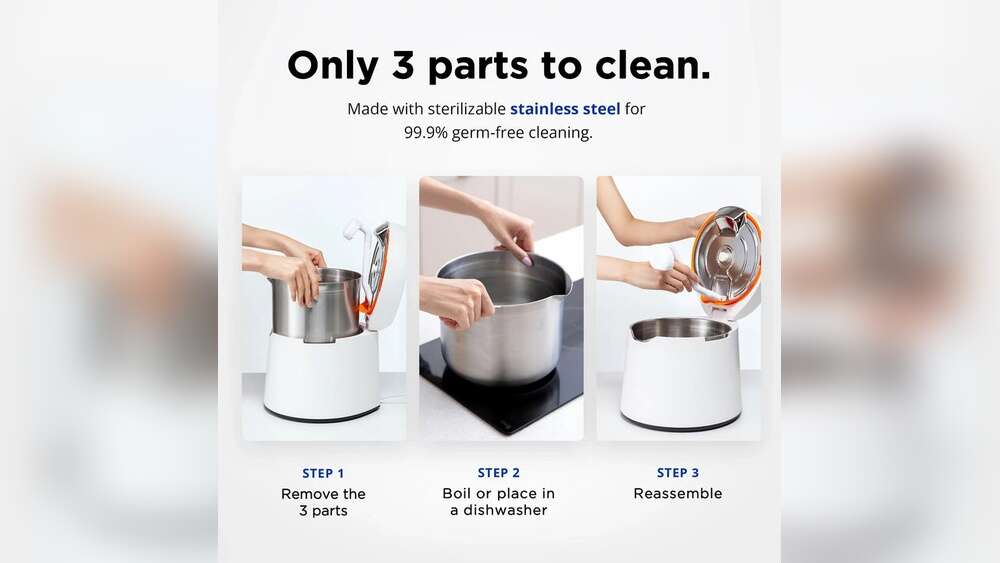
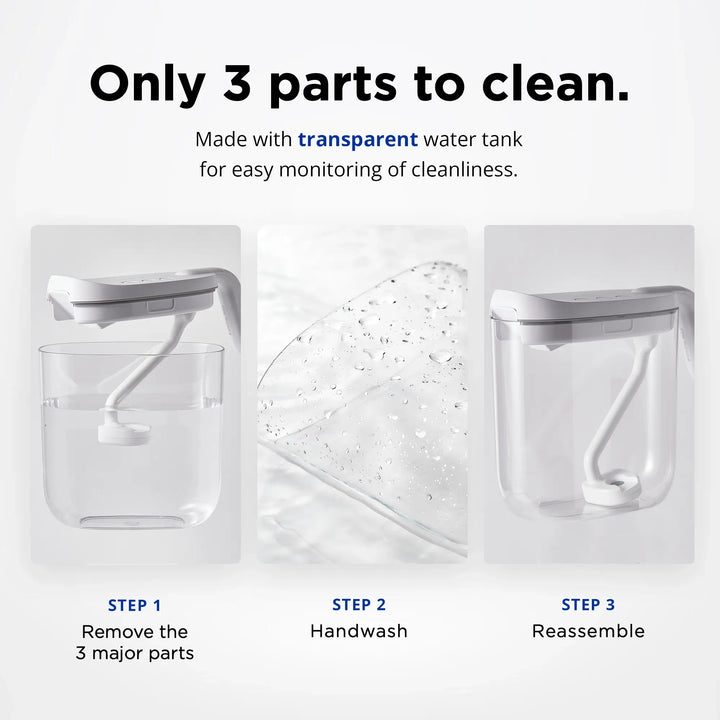
The Carepod humidifier is known for its minimalist design and easy-to-clean structure. Most units have three main parts: the water tank, the main body, and the lid or cap. Unlike many humidifiers with lots of small parts, the Carepod was designed to be simple to take apart and clean.
Here’s a quick overview of its parts:
- Water tank: Holds the water to be turned into mist.
- Main body: Houses the ultrasonic disk and electronics.
- Lid/Cap: Covers the tank and often includes a handle.
This design means you can access all areas that touch water, which makes cleaning easier and more effective.
Credit: hellocarepod.com
How Often Should You Clean Your Carepod Humidifier?
How often you clean depends on use, but here’s a good schedule:
- Daily: Empty and rinse the water tank. Let it air dry.
- Every 2-3 days: Deep clean all parts, especially if you use it daily or live in a hard water area.
- Weekly: Disinfect with vinegar or a mild bleach solution (details below).
If you see pink, green, or black buildup, clean immediately. These are signs of bacteria or mold.
Factors That Affect Cleaning Frequency
- Water type: Hard water leaves more mineral deposits. Use distilled water if possible.
- Room conditions: Warm, humid rooms grow mold faster.
- Usage: More hours = more frequent cleaning.
Supplies You’ll Need
Before you start, gather these supplies:
- White distilled vinegar
- Mild dish soap
- Soft sponge or cloth
- Cotton swabs or soft brush (for small spaces)
- Clean water
- Towel (for drying)
- Gloves (optional, for sensitive skin)
- Bleach (for deep disinfecting, use with care)
Never use harsh cleaners, abrasive brushes, or scouring pads. These can damage your Carepod.
Step-by-step: Daily Cleaning
This daily routine keeps your humidifier safe and fresh. It only takes five minutes.
- Turn off and unplug the Carepod.
- Remove the lid and water tank. Be gentle—don’t force any parts.
- Pour out any water left in the tank. Always empty water daily, even if there’s some left.
- Rinse the tank and lid with warm water. Swish the water around and pour it out.
- Wipe the inside with a soft cloth if you see any residue.
- Let the tank and lid air dry on a clean towel.
If you skip this step, bacteria and minerals can build up fast. I once left water in my Carepod for two days during a busy week. The next time I used it, the mist smelled odd and the tank felt slimy.
That experience taught me to never skip the daily rinse.
Deep Cleaning: Every 2–3 Days
Daily rinsing is good, but deep cleaning is what really keeps your Carepod safe.
The Process
- Unplug and disassemble the Carepod (remove tank, lid, and any removable parts).
- Make a cleaning solution: Mix one part white vinegar to two parts water. Vinegar is great for killing germs and breaking down mineral deposits.
- Fill the tank with the solution. Swirl it gently to cover all inside surfaces.
- Let it soak for 20–30 minutes.
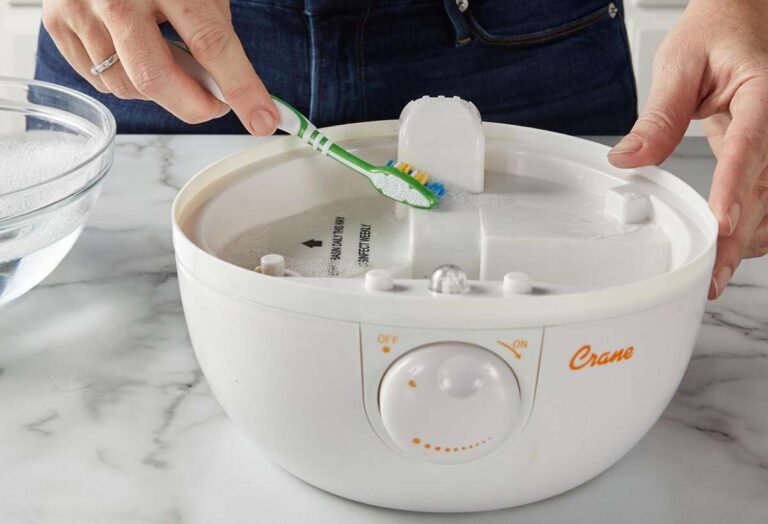
- Use a soft brush or cotton swab to clean corners and the ultrasonic disk. Be gentle—no scrubbing!
- Pour out the solution and rinse the tank several times with clean water until the vinegar smell is gone.
- Wipe the exterior of the main body with a damp cloth. Don’t get the electronics wet.
- Dry all parts with a towel or let them air dry completely.
Here’s a quick look at how vinegar and bleach compare for humidifier cleaning:
| Cleaning Agent | Effectiveness | Safe for Daily Use? | Removes Mineral Deposits | Kills Bacteria/Mold |
|---|---|---|---|---|
| Vinegar | High | Yes | Yes | Good |
| Bleach | Very High | No (weekly only) | No | Excellent |
| Soap & Water | Moderate | Yes | Some | Basic |
Extra Tips
- Focus on the ultrasonic disk. This is where minerals and bacteria often build up. Use a cotton swab dipped in vinegar.
- Never submerge the main body (with the electronics). Only wipe its surface.
Weekly Disinfecting: Deeper Cleaning
Once a week, you should disinfect your Carepod to kill any hidden germs. This is especially important if someone in your home is sick.
How To Disinfect
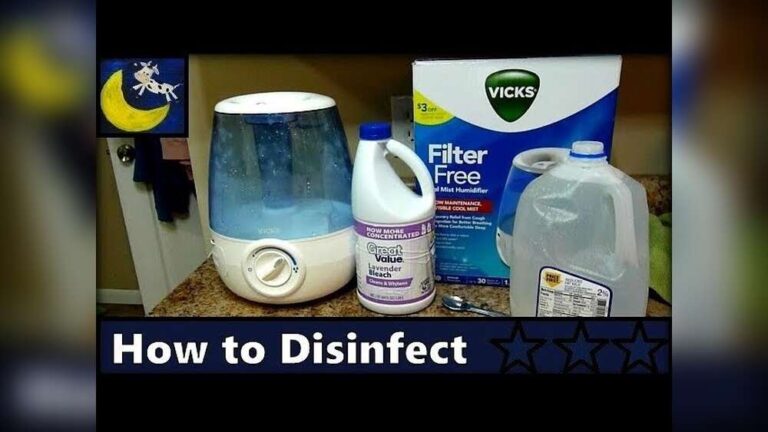
- Mix a bleach solution: One teaspoon of bleach in one gallon of water.
- Fill the tank with the solution. Swirl it around and let it sit for 10 minutes.
- Never leave bleach in the humidifier longer than 10 minutes.
- Pour out the solution and rinse the tank several times with clean water. Make sure all bleach smell is gone.
- Dry all parts before reassembling.
If you’re sensitive to bleach, open a window for ventilation or wear gloves.
Cleaning The Mist Outlet And Other Small Parts
The mist outlet is the part where the mist comes out. It’s easy to forget but can get dirty too.
- Remove the mist outlet if possible (check your model’s manual).
- Wipe with a damp cloth or a cotton swab dipped in vinegar.
- Rinse and dry before putting back.
For small crevices or hard-to-reach spots, a toothbrush or cotton swab is your best friend. Just don’t use anything sharp or rough.
Hard Water And Mineral Build-up
If you see white dust or crusty spots inside your Carepod, it’s probably mineral deposits from hard water. These can clog the device and reduce its life.
How To Remove Mineral Deposits
- Fill the tank with vinegar and let it soak for 30 minutes.
- Use a soft brush or cloth to wipe away deposits.
- Rinse well with water to remove vinegar smell.
- Dry completely.
If you live in an area with hard water, consider using distilled water. This can greatly reduce mineral buildup and make cleaning easier.
Here’s how different water types affect your humidifier’s maintenance:
| Water Type | Mineral Build-Up | Cleaning Needed | Air Quality Impact |
|---|---|---|---|
| Tap Water (Hard) | High | Frequent | Possible white dust |
| Tap Water (Soft) | Medium | Regular | Some dust |
| Distilled Water | Low | Less frequent | Cleaner air |
How To Store Your Carepod Humidifier
If you’re not using the Carepod for a while (for example, in summer), proper storage is key.
- Clean and dry all parts completely.
- Store in a dry, cool place.
- Keep the parts apart (if possible) to avoid trapped moisture.
- Don’t leave water in the tank during storage. This can cause mold and bad smells.
I once stored my humidifier without drying it fully. When I opened it months later, it smelled terrible and had black spots. I had to deep clean it twice to get rid of the mold. Now I always let it air dry fully before storing.
Common Mistakes To Avoid
Many people make small mistakes that can cause big problems over time. Here are a few to watch out for:
- Leaving water in the tank overnight: Always empty the tank after use.
- Using harsh cleaners: Bleach is okay once a week, but never use strong chemicals or scrubbers.
- Not cleaning the ultrasonic disk: This is where bacteria love to hide.
- Forgetting to rinse after vinegar or bleach: Residue can be harmful if left inside.
- Running the humidifier with old water: Change water every day.
- Skipping cleaning when busy: Set a reminder or tie it to another daily habit.
- Assembling while wet: Parts should be dry to avoid mold.
Signs Your Carepod Needs Cleaning
Sometimes you’ll notice signs before things get bad:
- Strange smells: Musty or sour means bacteria or mold.
- White dust: Too many minerals in the water.
- Weak mist: Blocked disk or buildup.
- Visible slime or spots: Mold or mineral buildup.
Don’t wait—clean your Carepod as soon as you see these signs.
Carepod Humidifier Vs. Other Brands: Cleaning Comparison
The Carepod stands out for its simple design, but how does it compare to popular competitors for cleaning?
| Brand | Parts to Clean | Ease of Disassembly | Daily Cleaning Time | Common Issues |
|---|---|---|---|---|
| Carepod | 3 | Very Easy | 5 min | Mineral buildup |
| Levoit | 5–7 | Moderate | 8–10 min | Hard to reach parts |
| Crane | 5 | Easy | 8 min | Small crevices |
| Honeywell | 6–8 | Challenging | 10–12 min | Filters, tight spots |
As you can see, Carepod is one of the easiest to clean. The fewer parts, the better for regular maintenance.
Troubleshooting: When Things Go Wrong
Even with good cleaning habits, sometimes problems pop up. Here’s how to fix some common ones:
If The Mist Smells Bad
- Empty and rinse the tank.
- Deep clean with vinegar.
- Disinfect with a bleach solution if needed.
- Use only fresh, clean water.
If The Mist Is Weak Or Stops
- Check for mineral buildup on the disk.
- Clean with vinegar and a soft brush.
- Make sure you’re not using very hard water.
If There’s White Dust
- Switch to distilled water.
- Clean the tank and disk thoroughly.
If Parts Don’t Fit Right After Cleaning
- Make sure everything is completely dry.
- Check for leftover gunk or buildup around the edges.
- Don’t force parts—realign gently.

Credit: www.amazon.com
How To Extend The Life Of Your Carepod
A humidifier is an investment in your health. With good care, your Carepod can last for years.
- Clean regularly: Don’t wait for problems.
- Use distilled water: Less mineral buildup, easier cleaning.
- Dry completely between uses.
- Store properly in the off-season.
- Replace parts if they wear out (like the disk).
Many users report their Carepod lasts over three years with proper cleaning and care. I’ve used mine for two years and it still works like new. The secret is consistency.
Expert Insights And Research
The CDC and EPA both stress the importance of regular humidifier cleaning for health. A study published in Environmental Health Perspectives found that ultrasonic humidifiers can spread bacteria and minerals if not cleaned well. This is why the Carepod’s easy-to-clean design is so valuable.
For more on humidifier safety and cleaning, check the EPA’s official advice.

Credit: support.hellocarepod.com
Frequently Asked Questions
How Often Should I Clean My Carepod Humidifier?
Clean the water tank daily and deep clean every 2–3 days. Disinfect with bleach weekly. If you see any dirt, slime, or smell, clean right away.
What Type Of Water Is Best For My Carepod?
Distilled water is best. It reduces mineral buildup and white dust. Tap water is okay, but you’ll need to clean more often.
Can I Use Essential Oils In My Carepod?
No. The Carepod is not designed for oils. Oils can damage parts, shorten the life of the device, and void the warranty.
What If My Carepod Still Smells After Cleaning?
Try deep cleaning with vinegar, then disinfect with bleach. Dry all parts completely. If the smell stays, check for hidden buildup or replace old parts.
Is It Safe To Clean With Vinegar And Bleach Together?
Never mix vinegar and bleach. Clean with one, rinse well, and let dry before using the other. Mixing them creates dangerous fumes.
Keeping your Carepod humidifier clean is one of the simplest ways to protect your health and get the best air quality at home. I’ve seen the difference in my own life—cleaning a little bit every day saves time and prevents bigger problems later.
With these tips, your Carepod will work better, last longer, and help you breathe easier all year long.