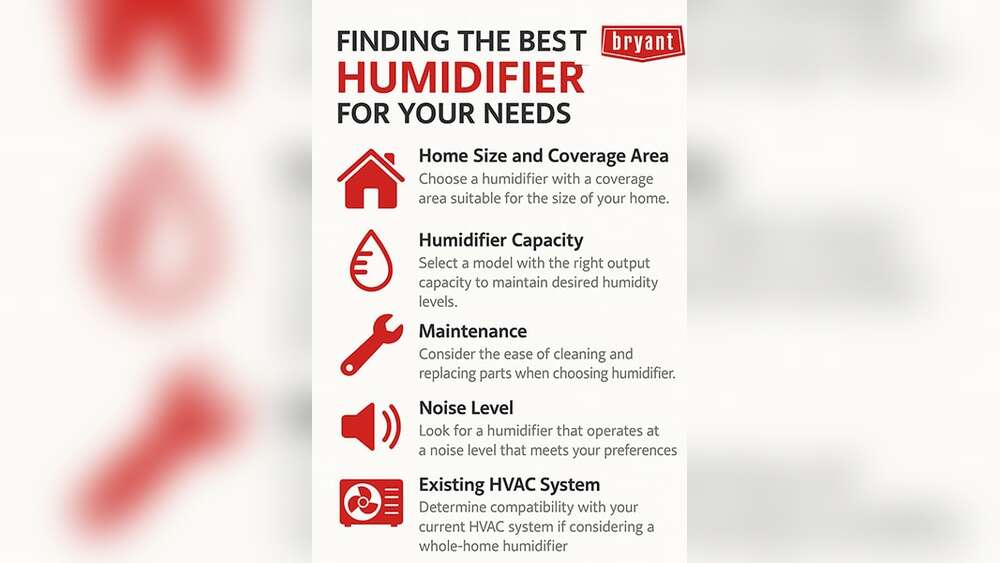
How to Choose Humidifier Capacity for Large Home: Expert Tips
Choosing the right humidifier for your large home can feel confusing. I remember the first time I bought a humidifier for my own house. I didn’t know what size I needed, so I picked one that looked nice. After a week, I realized the air still felt dry. It was only then I learned that humidifier capacity matters much more than design. If you want your home to feel comfortable and healthy, you need to match the humidifier to the size of your rooms.
Dry air can cause problems like itchy skin, allergies, and even cracks in wood furniture. A humidifier helps, but only if it’s strong enough for your space. In this article, I’ll guide you step by step. I’ll share what I learned from my own experience and what experts recommend.
By the end, you’ll know exactly how to choose the right humidifier capacity for your large home. You’ll also find answers to common questions and see clear comparisons to help your decision.
Understanding Humidifier Capacity
Humidifier capacity tells you how much moisture a device can add to the air in a certain time. Usually, it’s measured in gallons per day or liters per hour. If you choose a humidifier that’s too small, your home will stay dry. If it’s too big, you might waste energy and money. So, finding the right capacity is important.
What Does Capacity Mean?
Capacity is simply the volume of water a humidifier can turn into vapor. For example, a small humidifier may release 1 gallon per day. A large one can put out 12 gallons per day or more. The capacity you need depends on:
- The size of your home
- The number of rooms you want to humidify
- Ceiling height
- Climate and season
Why Is Capacity So Important?
If a humidifier is too small, it will run all day but still not reach the right humidity level. You might notice your skin stays dry, or you keep getting nosebleeds. On the other hand, too much moisture can lead to mold and bacteria.
That’s why experts recommend choosing a humidifier based on the size of your space.
Many people make the mistake of picking a popular model without checking its capacity. I did the same. Only after reading more and talking to an HVAC technician did I realize my first humidifier was way too small for my living room.
Calculating Your Home’s Humidifier Needs
To choose the right humidifier, you must first know how much space you have. This includes the total square footage and the ceiling height.
Step 1: Measure Your Space
Start by measuring the rooms where you want to use the humidifier. For each room:
- Measure the length and width (in feet).
- Multiply these numbers to get the square footage.
- If the ceiling is higher than 8 feet, multiply the square footage by the ceiling height divided by 8.
For example, if your living room is 20 feet by 30 feet with a 9-foot ceiling:
- 20 x 30 = 600 square feet
- 9 / 8 = 1.125
- 600 x 1.125 = 675 adjusted square feet
This adjustment helps because tall ceilings hold more air.
Step 2: Total Up All Rooms
Add the adjusted square feet for every room you want to humidify. If you plan to use one humidifier for the whole house, sum up all rooms. If you want separate humidifiers for each room, measure each one separately.
Step 3: Match Capacity To Space
Manufacturers often list the coverage area for each humidifier. Compare your total square footage to the device’s coverage. Here’s a simple comparison:
| Humidifier Type | Capacity (Gallons/Day) | Coverage Area (Sq Ft) |
|---|---|---|
| Small Portable | 1-2 | Up to 500 |
| Medium Console | 3-6 | 500-1500 |
| Large Whole-House | 8-12+ | 1500-4000+ |
So, for a large home (over 1500 sq ft), you’ll need at least a large console or whole-house humidifier.
Types Of Humidifiers For Large Homes
Not all humidifiers are the same. The best type depends on your needs and home layout.
Evaporative Humidifiers
These use a wick filter and a fan to blow moisture into the air. They’re reliable and good for big spaces. Many console models are evaporative.
Ultrasonic Humidifiers
Ultrasonic models use vibrations to create mist. They’re usually quieter but may not be strong enough for very large homes unless you buy a bigger unit.
Steam Humidifiers
These heat water to produce steam. Steam models can deliver a lot of moisture quickly. They’re often used in whole-house systems connected to HVAC ducts.
Central/whole-house Humidifiers
These are installed directly into your home’s heating and cooling system. They can humidify every room at once. If you have a large home, this is often the best choice.
Comparison Of Humidifier Types
To make things clearer, here’s a quick comparison:
| Type | Noise Level | Maintenance | Capacity |
|---|---|---|---|
| Evaporative | Moderate | Medium | Medium-High |
| Ultrasonic | Low | Low | Low-Medium |
| Steam | High | High | Very High |
| Whole-House | Low | Low | Very High |
For most large homes, whole-house humidifiers are the best mix of power and convenience.
Factors That Affect Humidifier Performance
Even with the right capacity, other factors can change how well a humidifier works in your home.
Home Layout
If your home is open plan, a single humidifier can cover more space. But if you have many closed rooms, moisture may not spread well. In my own house, I noticed the humidity stayed highest near the device. Rooms behind closed doors still felt dry.
Sometimes, you may need more than one humidifier or use fans to circulate air.
Climate And Season
In cold, dry winters, you’ll need more capacity than in mild weather. If you live in a humid climate, a small unit may be enough. During winter, the air outside is drier, which means your humidifier has to work harder.
Ventilation And Insulation
Well-insulated homes keep moisture in better. Drafty homes lose humidity fast. If your house is older or has many air leaks, you may need a stronger humidifier. It’s a good idea to seal windows and doors to improve performance.
Ceiling Height
As mentioned earlier, taller ceilings mean more air to humidify. Always adjust your square footage calculation if your ceilings are higher than standard.
People And Pets
More people and pets in the house means more moisture is needed. People breathe out water vapor, but they also dry the air with heating and air conditioning. If you have a big family or lots of pets, increase the capacity a bit.
Credit: www.homedepot.com
How To Read Humidifier Specifications
When shopping for humidifiers, you’ll see many numbers and terms. Here’s what to look for:
Gallons Per Day (gpd)
This tells you how much water the humidifier can use in 24 hours. For large homes, look for models offering 8 GPD or more.
Coverage Area
Manufacturers list the maximum area the humidifier can handle. Make sure this matches your calculated square footage.
Output Rate
Some models list liters per hour or ounces per minute. Make sure you convert these numbers to gallons per day if needed.
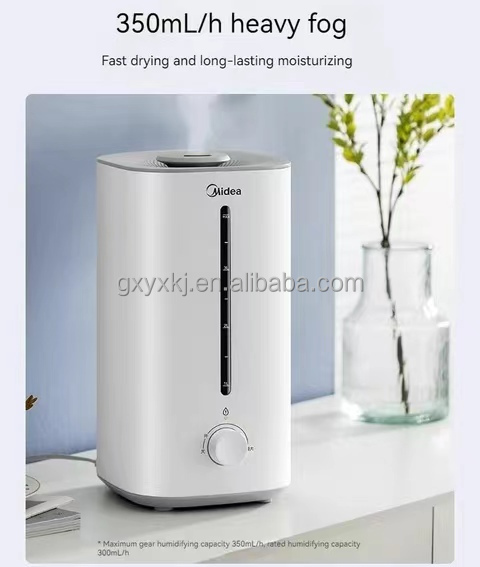
Water Tank Size
A bigger tank means less frequent refills. But tank size is not the same as capacity. Some humidifiers have a big tank but low output. Check both.
Example Of Specification Comparison
Here’s a real-world example:
| Model | Tank Size (Gallons) | Output (Gallons/Day) | Coverage (Sq Ft) |
|---|---|---|---|
| Model A | 2 | 4 | 1000 |
| Model B | 3.5 | 8 | 2000 |
| Model C | 5 | 12 | 3500 |
If your home is 2500 sq ft, Model B might work, but Model C gives you extra power for dry winters.
Practical Tips For Choosing The Right Capacity
Here are some tips that helped me and other homeowners I know:
- Don’t guess your home size. Measure rooms carefully.
- Aim for slightly higher capacity. It’s better to have extra moisture than not enough.
- Check manufacturer charts. Most brands list recommended coverage.
- Think about placement. Put humidifiers near central airways or open spaces.
- Consider multiple units. For homes with many rooms, two smaller humidifiers may work better than one big unit.
- Adjust for climate. If you live in a very dry area, choose a larger model.
When I upgraded my humidifier, I picked one with a capacity for 20% more than my calculated square footage. This way, it handled the driest winter days easily.
Credit: smartbuy.alibaba.com
Common Mistakes When Choosing Humidifier Capacity
Many people make errors when picking a humidifier. Here are a few to avoid:
1. Ignoring Ceiling Height
People often calculate only floor area, but forget that tall ceilings mean more air. Always adjust for ceiling height.
2. Choosing Based On Design
It’s easy to pick a model that looks nice but doesn’t perform well. Capacity is much more important.
3. Not Considering Room Layout
If your home has closed doors and many rooms, a single humidifier may not work. Think about air flow.
4. Underestimating Climate
Some regions are much drier than others. If you live in a dry area, your humidifier needs more power.
5. Forgetting Maintenance
Larger humidifiers often need more cleaning. Make sure you’re ready for the upkeep.
Expert Recommendations For Large Homes
HVAC experts suggest the following for large homes:
- For homes above 2000 sq ft, consider a whole-house humidifier installed in your HVAC system.
- If you prefer portable units, use multiple devices, each covering 500–1000 sq ft.
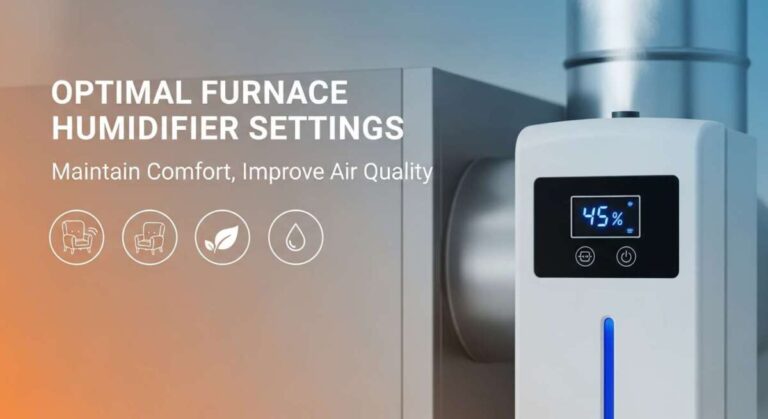
- Use hygrometers to monitor humidity. Aim for 30–50% humidity for best comfort and health.
- Choose models with automatic shutoff and humidistat controls.
- For allergy sufferers, pick models with filters to trap dust and minerals.
I once spoke with a technician who said, “Most complaints about dry air happen because the humidifier is too small. ” His advice was to always check the numbers and not rely on looks or price.

Credit: www.amazon.com
Maintenance And Safety Considerations
A large-capacity humidifier needs regular care to keep working well.
Cleaning
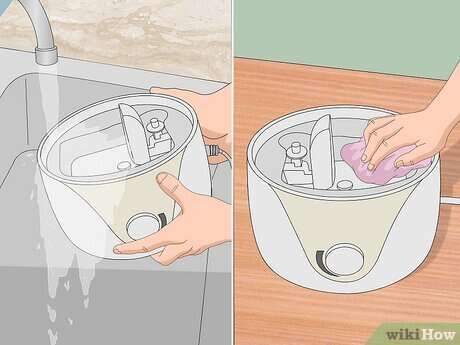
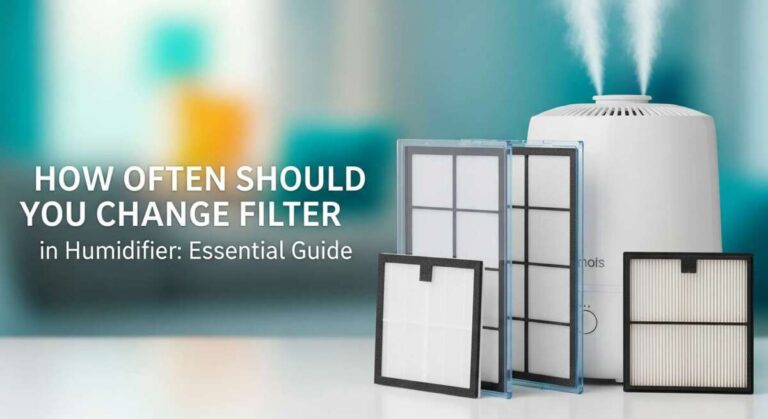
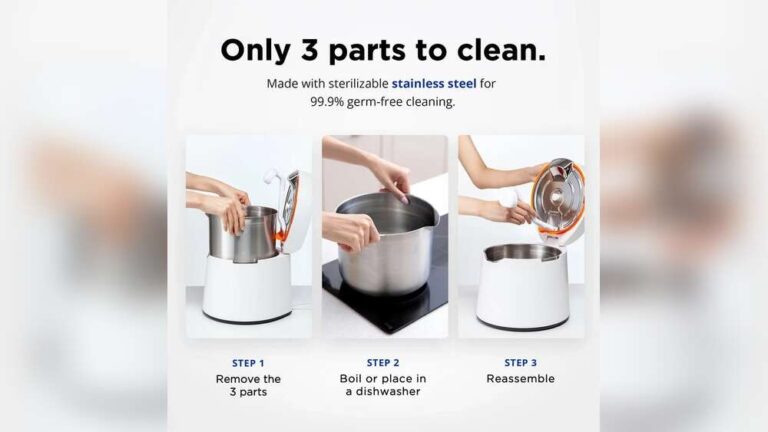
Clean tanks and filters every week to prevent mold. Use vinegar or mild soap. Change filters as recommended.
Water Quality
If your tap water is hard, use distilled water or install a filter. Hard water can leave deposits and reduce efficiency.
Mold Prevention
Don’t let humidity go above 50%. High humidity can cause mold. Use a humidistat to control levels.
Electrical Safety
Large humidifiers use more power. Plug them into safe outlets and don’t overload circuits.
When To Upgrade Your Humidifier
If your air still feels dry or you notice symptoms like cracked skin or static electricity, it may be time to upgrade.
Signs you need a bigger humidifier:
- The unit runs constantly but humidity stays low
- Some rooms feel dry while others are comfortable
- You refill the tank too often
- Your home is larger than the device’s rated coverage
If you already have a humidifier and are considering an upgrade, check your current model’s specs. Compare them to your home’s needs. Upgrading to a whole-house system can save time and effort.
Frequently Asked Questions
What Is The Best Humidity Level For A Large Home?
The ideal indoor humidity is 30–50%. This level prevents dry skin and allergies but avoids mold growth. Use a hygrometer to measure humidity.
Can I Use Multiple Smaller Humidifiers Instead Of One Large Unit?
Yes, you can. If your home has many closed rooms, using several smaller humidifiers may work better. Place one in each main area. Make sure their combined capacity matches your total space.
How Often Should I Clean A Large-capacity Humidifier?
Clean the tank and parts once a week. Change filters every 1–3 months. Regular cleaning prevents mold and bacteria.
Do Humidifiers Increase Energy Bills?
Large humidifiers use more power, but the increase is usually small compared to heating costs. Whole-house models are more efficient because they work with your HVAC system.
Where Is The Best Place To Put A Humidifier In A Large Home?
Put the humidifier in a central location where air flows freely. If possible, place it near a return air duct. For portable models, avoid corners and closed spaces.
Bringing It All Together
Choosing the right humidifier capacity for your large home is about matching the device to your real needs. Measure your space, consider ceiling height, and think about your climate. Don’t let design or price fool you—capacity matters most. From my own experience and talking to experts, a strong humidifier makes a big difference in comfort and health. Remember to check specs, avoid common mistakes, and keep your device clean. If you ever need more details, you can find reliable guidance from sites like EPA Indoor Air Quality.
With the right humidifier, your home will feel warmer, fresher, and healthier all year round.