How to Use Humidifier for Newborn: Essential Tips for Parents
Using a humidifier for your newborn can be a game-changer, especially if you live in a dry climate or your baby struggles with congestion. When my son was born, our pediatrician suggested a humidifier for his nursery. At first, I was unsure if it was safe or if I’d use it correctly.
After some research and trial-and-error, I learned how to set it up, keep it clean, and make sure my son stayed comfortable and healthy. I’ll walk you through what I learned, step by step, and share expert advice, so you can avoid common mistakes and make the best choice for your baby.
Why Use A Humidifier For Newborns?
Babies have delicate skin, tiny airways, and immature immune systems. Dry air can make things worse. If the humidity drops below 30%, your newborn may experience:
- Dry skin
- Stuffy nose
- Coughs
- Cracked lips
- Difficulty sleeping
Research shows that keeping indoor humidity between 40% and 60% can help reduce respiratory issues and keep skin healthy. For example, a study published in the Journal of Environmental Health found that homes with proper humidity had 20% fewer respiratory infections among infants.
Humidifiers can also help prevent nosebleeds and soothe irritated throats. In my own experience, when we started using a humidifier, my son’s congestion improved overnight. He slept longer, breathed easier, and his skin was less flaky.
Types Of Humidifiers For Newborns
Before you choose, it’s important to know the differences. There are four main types. Each has its own advantages and drawbacks.
| Type | How It Works | Pros | Cons |
|---|---|---|---|
| Cool Mist | Uses filters or ultrasonic waves to release cool water vapor | Safe for babies, no burn risk, energy efficient | Can grow mold if not cleaned; may create white dust |
| Warm Mist | Heats water to produce steam | Less likely to grow mold; kills bacteria | Burn risk for babies; uses more energy |
| Ultrasonic | Uses high-frequency vibrations to create mist | Quiet, energy efficient, safe temperature | May create white dust; sensitive to water quality |
| Evaporative | Fan blows air through a wet filter | Self-regulating humidity; no white dust | Louder; filter needs regular changing |
Most pediatricians recommend cool mist humidifiers for newborns. They are safer because there’s no hot water, and they are less likely to cause burns if accidentally touched.
Choosing The Right Humidifier
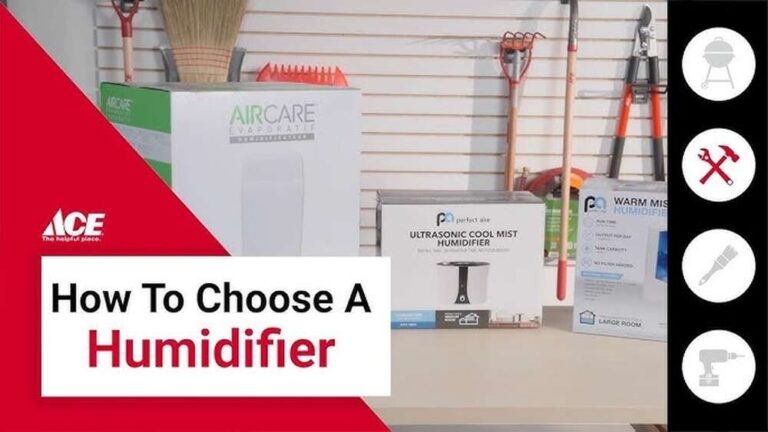
Picking the best humidifier isn’t just about price or looks. There are critical factors to consider:
- Safety: For newborns, always choose a cool mist model. Avoid units with heating elements.
- Ease of Cleaning: Look for designs with easy access to the tank and parts. If cleaning is difficult, mold and bacteria can build up quickly.
- Noise Level: Babies are sensitive to sound. Ultrasonic models are usually the quietest.
- Size and Capacity: Match the humidifier size to your nursery. Small rooms need smaller units.
- Automatic Shut-Off: This feature prevents the machine from running dry and overheating.
- Filter or No Filter: Filterless models are easier to maintain, but filtered models can trap minerals.
- Humidistat: Some models have built-in sensors to maintain optimal humidity.
In my case, I chose a compact, ultrasonic cool mist model with automatic shut-off and no filter. It was simple to clean and quiet enough that my son could sleep undisturbed.
Here’s a quick comparison of popular features:
| Feature | Importance for Newborns | Recommended |
|---|---|---|
| Cool Mist | High | Yes |
| Quiet Operation | Medium | Yes |
| Easy Cleaning | High | Yes |
| Automatic Shut-Off | High | Yes |
| Humidistat | Medium | Optional |
| Filter | Low | Optional |
Setting Up Your Humidifier Safely
Safety is the first priority. Here’s how to set up your humidifier for your newborn’s room:
- Choose the Right Spot: Place the humidifier on a flat, stable surface at least three feet from your baby’s crib. Never put it directly next to your baby.
- Avoid Electrical Hazards: Keep cords out of reach. Use outlets away from the crib, and never let water touch the plug.
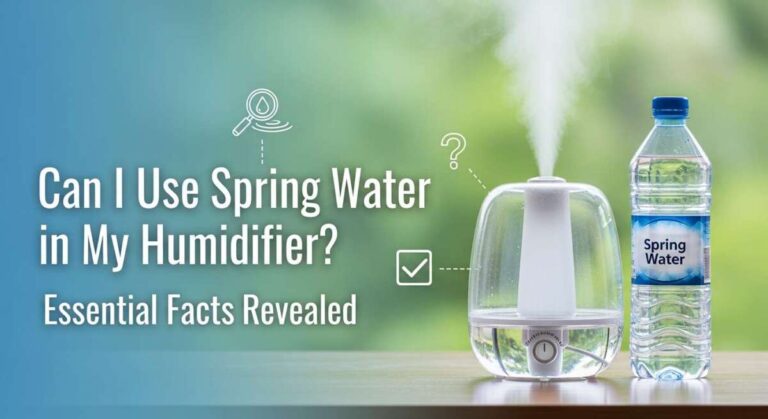
- Fill with Distilled Water: Tap water can contain minerals that create white dust or bacteria. Distilled water is safest.
- Don’t Overfill: Follow the manufacturer’s instructions for water levels.
- Keep Room Ventilated: Don’t seal the room completely. Allow some airflow to prevent excess moisture and mold.
After setting up, I used a simple humidity gauge (hygrometer) to monitor the room. Keeping humidity between 40% and 60% gave the best results. Too much moisture can cause mold, while too little won’t help your baby.
Using The Humidifier: Daily Routine
A good routine makes all the difference. Here’s what I recommend based on my experience and expert advice:
- Run the humidifier at night: Babies often struggle more with dryness and congestion during sleep.
- Check humidity levels daily: Use a hygrometer. If humidity goes above 60%, turn the humidifier off for a while.
- Fill with fresh water every day: Don’t let water sit for more than 24 hours.
- Clean weekly: More often if your baby is sick or the air feels musty.
If your baby shows signs of dry skin, coughing, or stuffy nose, you can run the humidifier during naps as well. Just make sure the room doesn’t become too damp.
Cleaning And Maintenance
Cleaning is the most important part of using a humidifier for newborns. Dirty humidifiers can spread mold and bacteria, making your baby sick.
Here’s my cleaning routine:
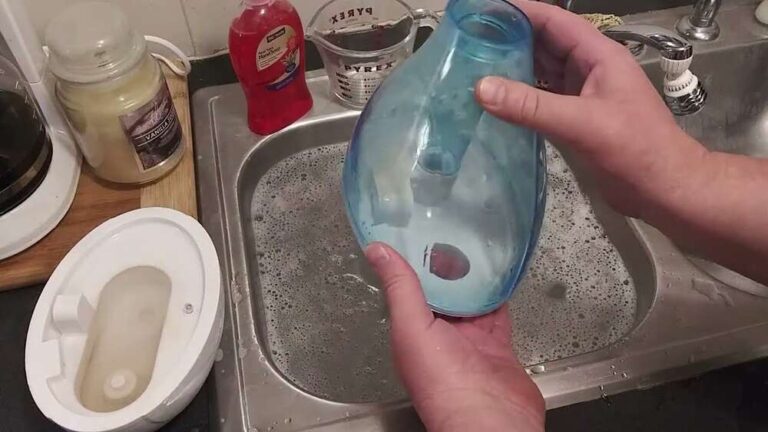
- Daily: Empty the tank and rinse with warm water.
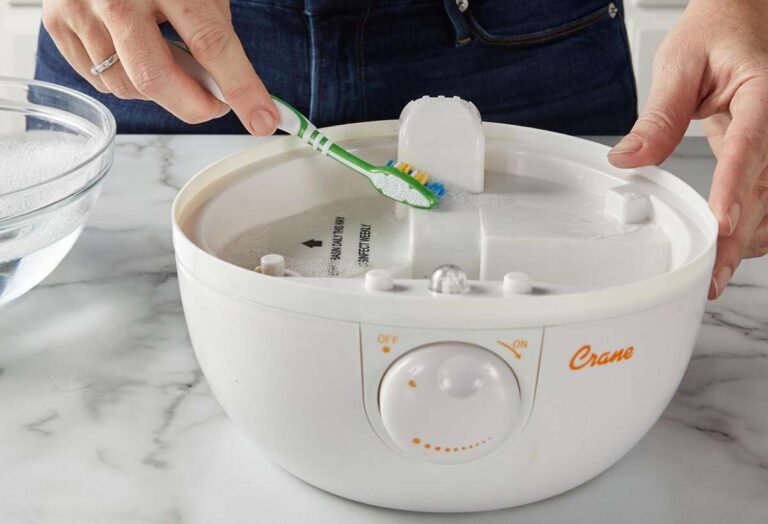
- Weekly: Clean with a mixture of vinegar and water (1:1 ratio). Let it sit for 30 minutes, then rinse thoroughly.
- Monthly: Deep clean. Disassemble and scrub each part with mild soap and water.
Never use harsh chemicals or bleach. They can leave residues that may harm your baby. Always dry all parts completely before reassembling.
I learned the importance of cleaning the hard way. One week, I skipped cleaning, and my son developed a mild cough. After cleaning the humidifier thoroughly and switching to distilled water, his symptoms disappeared.
Mistakes To Avoid
Many parents make the same mistakes when using a humidifier. Here are the most common:
- Using tap water: This can lead to mineral buildup and white dust.
- Placing the humidifier too close to the crib: Moisture can settle on bedding and create mold.
- Skipping cleaning: Germs can multiply fast in warm, damp environments.
- Letting humidity go above 60%: Excess moisture supports mold growth.
- Ignoring water changes: Stale water can breed bacteria.
Avoid these, and you’ll keep your newborn safe and comfortable.
Benefits Of Humidifiers For Newborns
Humidifiers offer several health benefits. Some are obvious, while others are less well-known:
- Eases congestion: Moist air helps loosen mucus and makes breathing easier.
- Reduces dry skin and eczema: Babies are prone to skin issues. Proper humidity prevents dryness and flare-ups.
- Improves sleep quality: Babies sleep better when their airways are clear.
- Prevents nosebleeds: Dry air can cause tiny blood vessels in the nose to break.
- Supports immune system: Humid air helps trap viruses and bacteria before they reach the lungs.
A lesser-known benefit is that humidifiers can help keep baby’s lips soft and prevent chapped cheeks. In my case, my son’s skin stopped cracking after just a week of regular use.
:max_bytes(150000):strip_icc()/GettyImages-1288969894-2000-ae74e9b633be40a9ad5fe6eb3737350d.jpg)
Credit: www.parents.com
Signs Your Baby Needs A Humidifier
It’s not always obvious when your baby needs a humidifier. Watch for these signs:
- Dry, flaky skin
- Stuffy nose or nasal congestion
- Frequent coughing or sneezing
- Chapped lips
- Trouble sleeping
- Nosebleeds
If you notice two or more of these, check the humidity in your nursery. A simple hygrometer costs less than $15 and gives quick readings.
How To Monitor Humidity
It’s easy to forget about humidity once the humidifier is running, but too much moisture can be harmful. Here’s how to keep it balanced:
- Use a hygrometer: Place it in your baby’s room away from windows and vents.
- Check readings daily: Aim for 40-60% humidity.
- Adjust humidifier settings: Many models have adjustable output.
- Open a window occasionally: This helps prevent mold and lets in fresh air.
Some humidifiers come with built-in sensors, but manual hygrometers are more reliable.
When Not To Use A Humidifier
There are times when a humidifier isn’t needed or could make things worse:
- If humidity is above 60%: Shut off the humidifier.
- If your baby develops a persistent cough: Stop using the humidifier and consult a doctor.
- If mold appears in the nursery: Clean thoroughly and stop using the humidifier until resolved.
Always check with your pediatrician if you’re unsure.
Alternatives To Humidifiers
Sometimes, you don’t need a humidifier. Here are other ways to add moisture to the air:
- Place bowls of water near heat sources
- Hang wet towels in the room
- Open bathroom doors after a hot shower
While these methods are less effective, they can help in mild cases.
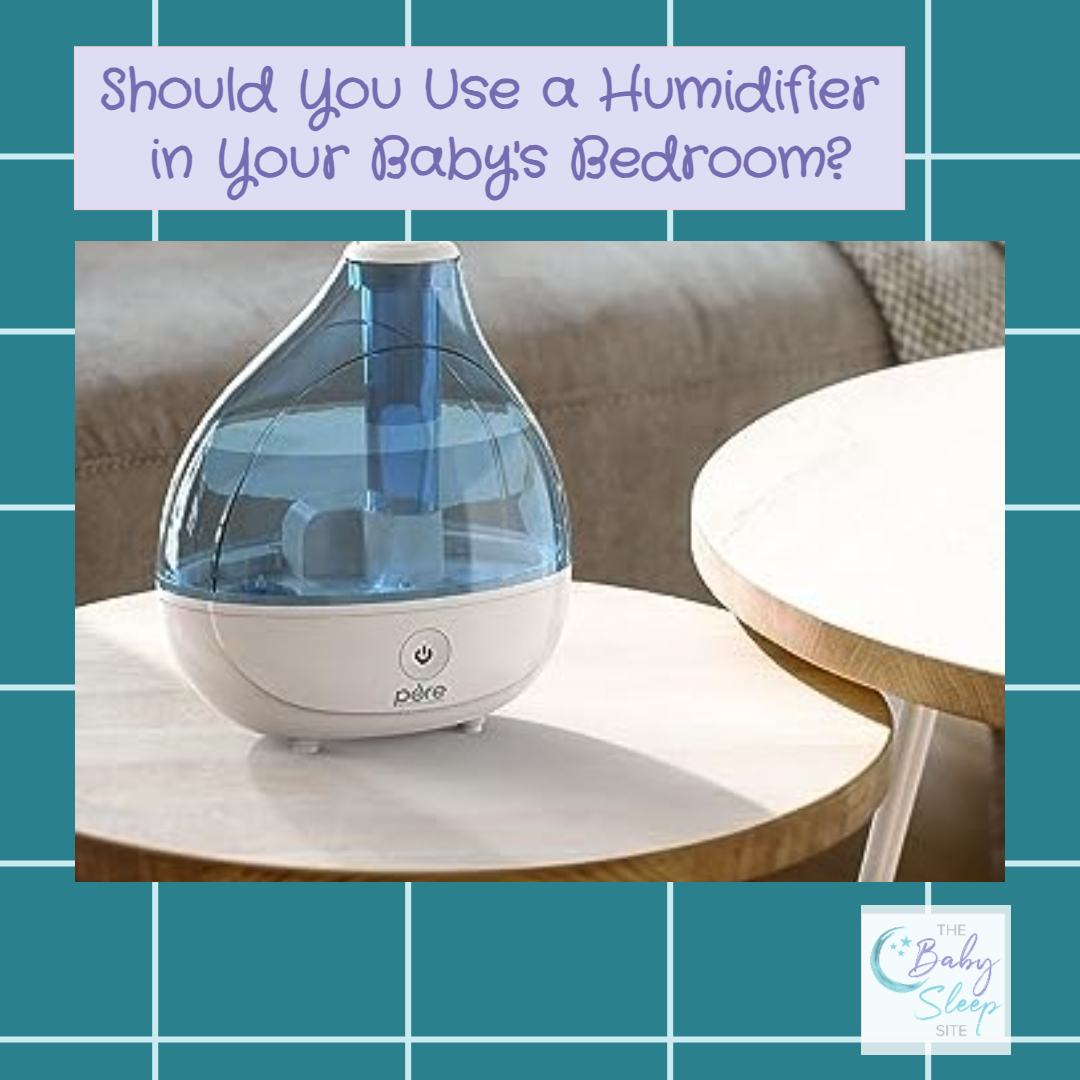
Credit: www.babysleepsite.com
Expert Advice: Pediatricians And Safety
Experts recommend humidifiers for newborns, but caution is needed. According to the American Academy of Pediatrics, cool mist humidifiers are best. Warm mist models can cause burns and should be avoided. Cleaning is critical, as dirty humidifiers can cause respiratory infections.
Dr. Sarah Johnson, a pediatrician with 20 years of experience, says, “Humidifiers are a simple way to improve comfort for infants, especially during winter. But parents must clean them often and monitor humidity levels to avoid problems. ”
Real-life Experience
When my son had his first cold, the humidifier made a big difference. He was able to sleep through the night, and his congestion eased. I found that using distilled water and cleaning the machine every few days prevented any issues.
One tip I learned was to place the humidifier across the room, not near his crib, so the mist spread evenly. It also kept his bedding dry and reduced the risk of mold.
Another parent I spoke with had trouble because she used tap water and didn’t clean her humidifier often. Her baby developed a rash, and the pediatrician traced it back to the humidifier. After switching to distilled water and a regular cleaning schedule, her baby’s skin cleared up.
Comparing Humidifier Brands For Newborns
To help you choose, I’ve compared three popular brands based on features important for newborns:
| Brand | Type | Noise Level | Ease of Cleaning | Automatic Shut-Off | Price (USD) |
|---|---|---|---|---|---|
| Vicks | Cool Mist | Low | Easy | Yes | 35 |
| Honeywell | Evaporative | Medium | Moderate | Yes | 45 |
| Crane | Ultrasonic | Very Low | Very Easy | Yes | 60 |
Most parents choose Vicks or Crane for their quiet operation and easy maintenance.
Practical Tips For Success
Here are tips that helped me and other parents:
- Always use distilled water
- Clean at least once a week
- Place the humidifier away from the crib
- Check humidity daily
- Replace filters as needed
- Never let water sit in the tank
- Use a hygrometer
These steps prevent problems and keep your baby comfortable.
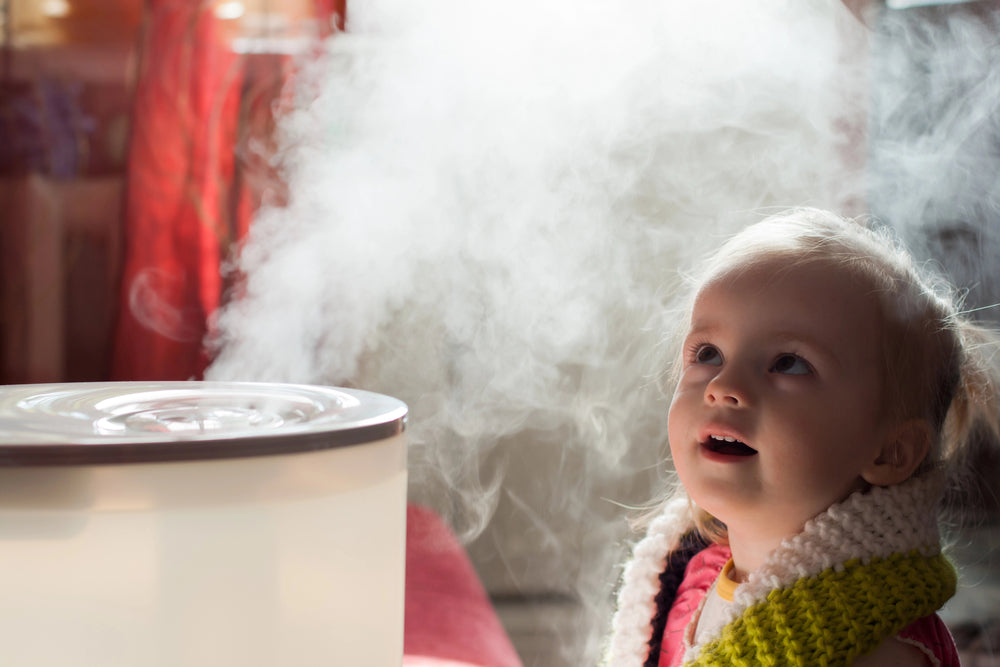
Credit: drnozebest.com
Frequently Asked Questions
How Often Should I Clean My Baby’s Humidifier?
Clean your humidifier once a week. If your baby is sick or the air smells musty, clean more often. Always empty and rinse the tank daily.
Is It Safe To Use Essential Oils In A Newborn’s Humidifier?
No. Essential oils can irritate your baby’s lungs and skin. Only use plain distilled water.
Can A Humidifier Cause Mold In The Nursery?
Yes, if humidity goes above 60% or the room is not ventilated. Always monitor humidity and keep the room aired.
What Water Should I Use In A Humidifier?
Use distilled water. Tap water can create mineral buildup and white dust, which may irritate your baby.
Will A Humidifier Help My Baby Sleep Better?
Yes. Humidifiers ease congestion, reduce dry skin, and help your baby breathe more easily, leading to better sleep.
If you’re a new parent, using a humidifier can make your baby’s first months more comfortable. With the right setup and cleaning routine, you’ll help your newborn breathe easier and sleep better. Don’t forget to check humidity levels and clean your humidifier often. If you have concerns, always talk to your pediatrician. For more information on safe humidifier use, visit the CDC’s guide to humidifier safety.
With careful use, a humidifier can be one of the best tools in your baby’s nursery. I hope my experiences and these expert tips help you make the best choice for your little one.