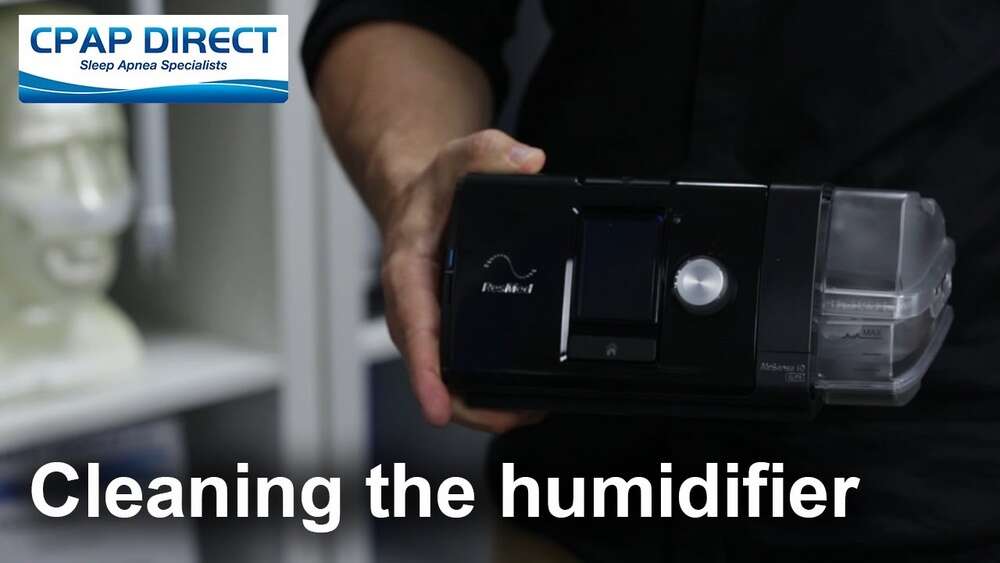
How to Clean CPAP Humidifier Chamber: Easy Steps for Fresh Air
For many people using a CPAP machine, the humidifier chamber is a small but important part of their daily routine. It helps keep your airways moist, makes therapy more comfortable, and prevents dryness or irritation. But if you don’t clean it regularly, you risk germs, mold, and bad smells.
I’ve been using a CPAP machine for years, and I learned early on that a clean humidifier chamber makes a big difference. I’m going to walk you through the best way to clean your CPAP humidifier chamber, using simple steps and clear advice.
You’ll find practical tips, real-life examples, and answers to common questions. Whether you’re new to CPAP or have been using one for years, this guide will help you keep your device safe and comfortable.
Why Cleaning Your Cpap Humidifier Chamber Matters
The humidifier chamber is where water sits and gets heated. The warm, moist air travels through your mask and into your lungs. That same warm environment is perfect for bacteria and mold if you leave water in there too long. Many people don’t realize that even clear water can carry tiny particles or microbes. If these grow, you can breathe them in. Over time, this leads to sickness, allergies, or a bad smell that ruins your CPAP experience.
A study from the National Sleep Foundation found that over 40% of CPAP users do not clean their humidifier chamber as often as recommended. That’s a big risk. Not only does it affect your health, but it can also shorten the life of your device. I once forgot to clean my chamber for a week. By the end, it had a slimy feel and a strange smell. That was a wake-up call! From then on, I made it part of my routine.
What Happens If You Don’t Clean The Chamber
If you skip cleaning, several things can happen:
- Bacterial growth: Warm, stagnant water breeds bacteria.
- Mold and fungus: These can cause allergies and breathing problems.
- Mineral buildup: Tap water leaves deposits that clog the chamber.
- Bad odors: Unpleasant smells make sleep less enjoyable.
- Device damage: Dirt and minerals can ruin the chamber or the CPAP itself.
You may notice coughing, sneezing, or even infections. In rare cases, dirty chambers can cause pneumonia. The risk is higher if you have asthma or a weak immune system.
How Often Should You Clean Your Cpap Humidifier Chamber?
Most experts recommend daily rinsing and weekly deep cleaning. If you live in a humid area or use your machine every night, you may want to clean it more often. Here’s a simple schedule I follow:
- Daily: Rinse with warm water, let dry completely.
- Weekly: Wash with mild soap, rinse well, air dry.
Some people clean less often, but I noticed my sleep improved when I stuck to this routine. It also keeps the chamber clear and odor-free.
What You Need To Clean The Chamber
You don’t need fancy tools. Here’s what works best:
- Mild dish soap: Avoid strong or scented soaps.
- Warm water: Not hot, just comfortable to touch.
- Soft brush or sponge: To scrub gently.
- White vinegar: For deep cleaning and removing minerals.
- Clean towel: To dry the chamber.
Never use bleach, strong chemicals, or rough scrubbers. They can damage the chamber or leave harmful residue.

Credit: www.reddit.com
Step-by-step: Cleaning Your Cpap Humidifier Chamber
Let’s break down the cleaning process. I’ve tried many methods, but this one works best:
1. Unplug And Remove The Chamber
Always turn off and unplug your CPAP machine before cleaning. Remove the humidifier chamber carefully. If you’re not sure how, check your device’s manual.
2. Empty Out Water
Pour out any remaining water. Never leave water sitting in the chamber between uses. Even a small amount can grow bacteria overnight.
3. Rinse With Warm Water
Rinse the chamber with warm water to remove loose particles. Swirl it around, then pour it out.
4. Wash With Mild Soap
Fill the chamber with warm water and add a few drops of mild dish soap. Use a soft sponge or brush to gently clean all surfaces, including corners and edges. Don’t scrub too hard—chambers are often made of plastic and can scratch easily.
5. Rinse Thoroughly
Rinse the chamber several times with clean water. Make sure all soap is gone. Soap residue can cause irritation or foam when heated.
6. Dry Completely
Shake out excess water. Place the chamber on a clean towel or drying rack. Let it air dry completely. Moisture left inside can lead to mold or bacteria.
7. Deep Cleaning With Vinegar (weekly)
Once a week, soak the chamber in a mix of one part white vinegar to three parts water. Let it sit for 15–30 minutes. Vinegar helps remove minerals and kills germs. After soaking, rinse thoroughly with water and let dry.
8. Reassemble Carefully
Once the chamber is dry, put it back in your CPAP machine. Make sure it fits correctly and there’s no water left inside.
Common Mistakes When Cleaning Cpap Humidifier Chambers
Many people make these mistakes:
- Using strong cleaners: Bleach or harsh chemicals can damage the chamber and are unsafe to inhale.
- Not rinsing enough: Soap residue or vinegar can cause irritation.
- Drying with a cloth: Towels or tissues can leave fibers behind.
- Leaving water inside: Even a little water left behind can lead to bacteria.
- Not cleaning often enough: Skipping days allows germs to grow.
I made some of these mistakes when I started. For example, I used a scented soap once. The smell stayed in the chamber, and it made my sleep unpleasant. Simple, unscented soap is best.
Tap Water Vs Distilled Water: What’s Better?
Distilled water is recommended for CPAP humidifier chambers. Tap water contains minerals and chemicals that can build up over time. These deposits may damage the chamber or cause cloudy water.
Here’s a quick comparison:
| Type of Water | Pros | Cons |
|---|---|---|
| Distilled Water | No minerals, no build-up, safe for device | May be less convenient to buy |
| Tap Water | Easy to access, cheap | Contains minerals, can cause deposits and mold |
I used tap water once when I ran out of distilled water. After a week, I saw white spots inside the chamber. It took extra effort to clean them. Since then, I always use distilled water. It’s worth the small cost.
How To Spot Problems With Your Humidifier Chamber
You should check your chamber regularly for signs of trouble. Look for:
- Cloudiness or white spots: These are mineral deposits.
- Slimy feel or film: Indicates bacteria or mold.
- Bad smell: Often caused by germs or old water.
- Cracks or leaks: May require replacement.
If you notice any of these, clean the chamber thoroughly. If the chamber stays cloudy or smells bad, it may be time to replace it.
:max_bytes(150000):strip_icc()/how-to-clean-cpap-3015322-v1-5c1ac1cc46e0fb0001e27563.png)
Credit: www.verywellhealth.com
When To Replace Your Cpap Humidifier Chamber
Most manufacturers suggest replacing the chamber every 6–12 months. If you see cracks, leaks, or stubborn build-up, don’t wait. A damaged chamber can let water leak into the machine, causing bigger problems.
Here’s a quick reference:
| Condition | Action |
|---|---|
| Cloudy or spotted | Try deep cleaning, consider replacing |
| Cracked or leaking | Replace immediately |
| Bad smell | Deep clean, replace if smell persists |
Cleaning Other Cpap Parts
The humidifier chamber is just one part. You should also clean:
- Mask and headgear: Wash with mild soap and water weekly.
- Tubing: Soak in warm, soapy water, rinse well, air dry weekly.
- Filters: Check every 2 weeks, replace as needed.
A full cleaning routine keeps your CPAP working well and protects your health.
Special Tips For Better Cleaning
From my years of using CPAP, I’ve learned a few tricks that can help:
- Use a soft baby bottle brush: It fits the chamber well and won’t scratch.
- Let air dry fully: Never use heat or direct sunlight.
- Clean in the morning: Gives the chamber time to dry before night.
- Store in a clean area: Don’t leave parts near sinks or bathrooms where germs are high.
One time, I left my chamber drying near the kitchen sink. The next day, it had a strange smell. Kitchens can have bacteria from food. Since then, I always dry it in my bedroom.
What If You’re Traveling With Your Cpap?
When traveling, cleaning can be harder. Here’s what I do:
- Bring a small bottle of distilled water if possible.
- Pack a mini brush and mild soap.
- Clean every day, even in hotels.
- If you can’t clean, empty water after every use and let dry.
Hotels often have hard water, so distilled water is even more important when traveling. I learned this the hard way on a trip when mineral deposits formed quickly.
Cpap Humidifier Chamber Cleaning: Myth Vs Reality
Some people believe myths about cleaning. Let’s clear them up:
- Myth: Tap water is safe for CPAP chambers if boiled.
- Reality: Boiling removes some germs but leaves minerals behind.
- Myth: Vinegar alone can clean everything.
- Reality: Vinegar is good for minerals, but you need soap for germs.
- Myth: You can skip cleaning if you use distilled water.
- Reality: Distilled water helps, but bacteria can still grow.
Keeping your CPAP humidifier chamber clean is not complicated, but it does need regular attention. Don’t let myths lead you to poor habits.
Data: How Clean Is Your Cpap Chamber?
According to research from the American Academy of Sleep Medicine, dirty CPAP chambers can increase risk of lung infections by up to 30%. Clean chambers, on the other hand, help users sleep better and avoid health issues. Over 80% of users report fewer respiratory symptoms when cleaning their devices weekly.
Here’s a summary:
| Cleaning Frequency | Health Risks | User Satisfaction |
|---|---|---|
| Daily | Very low | High |
| Weekly | Low | High |
| Monthly | Moderate | Medium |
| Rarely | High | Low |
What Experts Say About Cleaning Cpap Humidifier Chambers
Sleep doctors and device manufacturers agree: regular cleaning is the best way to keep your CPAP safe. The Centers for Disease Control and Prevention recommends cleaning medical devices with mild soap and water, then air drying. Following these steps reduces risk and helps you get the most from your therapy.
If you want more details, you can check out this official guide: Sleep Foundation.
Frequently Asked Questions
How Do I Clean A Cpap Humidifier Chamber If It Has Mold?
If you see mold, soak the chamber in a mix of one part vinegar to three parts water for 30 minutes. Scrub gently with a soft brush, rinse thoroughly, and let it air dry. If mold remains, replace the chamber.
Mold is dangerous and can cause breathing problems.
Can I Use Dishwashers To Clean My Cpap Humidifier Chamber?
Most manufacturers do not recommend using dishwashers. High heat and strong detergents can damage the chamber or leave residue. Always check your device’s manual. Hand washing with mild soap is safest.
What’s The Best Soap For Cleaning The Chamber?
Choose a mild, unscented dish soap. Strong soaps or scented varieties can leave residue or odors. Avoid antibacterial soaps—they can be too harsh and are not necessary.
How Can I Dry My Humidifier Chamber Quickly?
After rinsing, shake out excess water. Place the chamber on a clean towel in a dry area with good airflow. Never use heat or sunlight. Air drying is safest, even if it takes a few hours.
Is It Okay To Use Tap Water In Emergencies?
If you don’t have distilled water, you can use tap water for a night or two. Clean the chamber thoroughly afterwards to remove mineral deposits. Try to switch back to distilled water as soon as possible.

Credit: www.reddit.com
Bringing It All Together
Cleaning your CPAP humidifier chamber is simple but crucial. With daily rinsing, weekly deep cleaning, and careful drying, you protect your health and improve your sleep. Don’t let germs, mold, or minerals ruin your therapy. I’ve learned through experience that a clean chamber makes CPAP therapy more comfortable and safe.
Make cleaning part of your routine, and your device will last longer and work better. If you ever have questions or run into trouble, ask your doctor or check your device manual. Sleep well, breathe easy, and keep your CPAP chamber sparkling clean.